What to Know About Cryptocurrency: The New Money Rules, No Mercy / No Malice

What to Know About Cryptocurrency
No Mercy / No Malice. I’m not a guru, just a guy who’s dug into this. Here is what to know about cryptocurrency if you’re new and don’t want to get farmed. The short version: digital cash that doesn’t need a bank. I’ll walk through what matters and skip the hype. The source I read says the barriers to understanding digital money have collapsed for regular folks like you and me.
Translation: you can learn it without a finance degree. But the space is littered with traps, and I want you to see them early. This is what to know about cryptocurrency in plain words, minus the noise. Peer-to-peer trades, security landmines, tips for starters. I care about keeping you safe, so pay attention to the risk section. Goal: clear info, not a sales pitch.
Digital cash without a bank sounds free, but freedom comes with responsibility.

Cryptocurrency basics: definition, blockchain, mining, investing
What Is Cryptocurrency
When you ask what a cryptocurrency really is, think digital or virtual money. It uses cryptography for security and runs on decentralized systems like blockchain. Unlike the U.S. dollar from a central bank, coins like Bitcoin and Ethereum don’t have a government behind them. They live on open networks maintained by users worldwide.
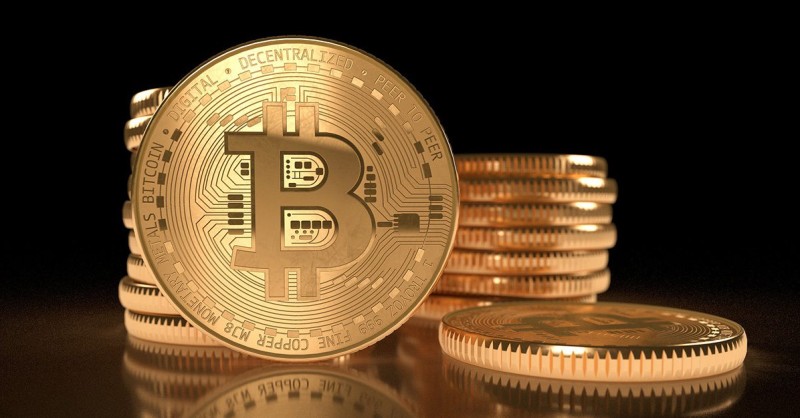
Bitcoin launched in 2009 from a ghost named Satoshi Nakamoto. Built as a peer-to-peer electronic cash system to move value without intermediaries. Litecoin, Ethereum, stablecoins - other names you’ll hear. My aim: give crypto currency explained simply so it clicks. No fancy terms needed for the base idea.
The key break from fiat: independence. No central bank prints it, no single server owns it. That shift is the core of what to know about cryptocurrency today. Feels weird at first, but the model is straightforward. You hold keys, you send coins, the network confirms.
How Crypto Works
Base tech is blockchain - a decentralized ledger recording every trade across many computers. No central authority. Your device can be a node that validates and keeps copies. This shared record is the heart of what to know about cryptocurrency mechanics, open for anyone to inspect.
Some networks mine. Proof-of-work: miners solve hard math puzzles to validate and earn new coins. Bitcoin did this from day one. Ethereum used proof-of-work before flipping to proof-of-stake, where you stake holdings as collateral to validate. If you want how to learn blockchain technology , start with these basics and watch a few diagrams.
Transactions fire from digital wallets, get encrypted, added to the chain. Transparency and immutability. Once a block is set, changing it is nearly impossible. Cool - but it means mistakes are permanent. Be careful with every send. The network doesn’t forgive a wrong address.
Peer-to-Peer Transactions
Big use case: direct transfers. Cut out banks and processors. That’s what is cryptocurrency used for at its core: send value straight to another person. Trade goes through wallets, encrypted on blockchain for all nodes. No clerk skims the middle.
Transparency and immutability. Once a trade is added, it stays visible, fixed. I like it - but the network is only as safe as your key handling. Lose your key, no bank resets it. Harsh truth new users miss.
People in places with weak banks use this to send money home. Fees beat old wire services. Real win for folks who need it. Source flags this as financial inclusion, not tech fun. Helps families when local money misbehaves.
Uses and Applications
Source lists several uses. I’ll break them down so you see the spread. Knowing the range helps you decide if any fit your life. Don’t assume crypto is only for speculators; uses are broader.
Common uses
- Peer-to-peer transactions that eliminate banks
- Investment on exchanges like Coinbase for potential returns
- Prepping as a hedge against fiat devaluation
- Real-world purchases and remittances with lower fees
- Financial inclusion in places with unstable money
Each use has ups and downs. Spending crypto at a shop is rare but growing. Trading on an exchange brings gains or pain. Preppers see insurance; others want cheap cross-border sends. Tool serves many masters.
Beginner 2025 guide: types, buying, spotting 100x
Financial Inclusion
Source points to crypto use in regions with unstable money or limited banks. People receive remittances without a local branch. Strong real-world win. Not just tech bros trading; families getting funds that old systems might block.
This angle gets ignored in Western chatter. The blockchain banking system idea fits here. Lower fees mean more of the sent amount arrives. Matters when margins are thin. A few dollars saved per transfer adds up for a village.
Prepping With Crypto

Some argue crypto is a hedge against economic collapse. That’s the prepping angle. If local money loses value, a decentralized coin might hold worth. Not a sure thing, but it draws people who fear bank failures and runaway inflation.
I’m not telling you to bunker down. But knowing what is cryptocurrency used for includes this survivalist view. Keep it as one part of a bigger picture, not your whole plan. Don’t pour rent money into a ‘safe haven’ - coins can drop too.
Source notes advocates say crypto hedges fiat devaluation. Claim, not promise. History shows coins can drop hard in days. Weigh with clear eyes; risk only what you can lose.
Stablecoins and Altcoins
Beyond Bitcoin, source names Litecoin, Ethereum, stablecoins. Stablecoins aim for steady value, often pegged to fiat. Cuts wild swings for everyday use. Ethereum added smart contracts, source keeps details light.
Litecoin is a lighter Bitcoin with faster blocks. Altcoins show this isn’t one-size. When you learn what to know about cryptocurrency, know types differ in speed and use. Pick on need, not hype. A coin’s name doesn’t make it safe.
Risks and Rewards
Now the part you shouldn’t skip. Crypto prices swing hard. Bitcoin surged massive over five years but dropped 19% in three days in 2017. That’s volatility hitting real people who held too much at the wrong time.
Main risks
- Price volatility that can wreck plans
- Security hacks, scams, lost private keys
- Regulatory uncertainty across governments
- Ponzi schemes masquerading as crypto projects
Don’t skip this part: the risks are real and can wipe you out.
Rewards exist: possible gains, freedom from banks. But source warns of exchange failures like Mt. Gox. Storage choice matters as much as buying. I’d rather you sleep well than chase a moon shot. Slow and safe beats sorry.
Security and Storage
Storing coins matters as much as buying. Custodial wallets on exchanges, hot wallets online, cold wallets offline. Self-custody means you hold private keys. For a best beginner crypto wallet , many point to simple hot apps or a basic hardware device to start.
Wallet types
- Custodial wallets managed by third parties like exchanges
- Hot wallets as online apps, easy but vulnerable
- Cold wallets like Ledger or paper for offline safety
- Self-custody where you back up mnemonic phrases
Cold storage keeps keys offline - the safe bet for long holds.
Hot wallets fine for small daily use. Cold wallets protect big savings from hackers. Source says self-custody requires careful backup of mnemonic phrases. Lose that phrase, coins gone for good. I can’t stress enough: write it on paper, not a phone note.
Tax Implications
IRS treats crypto as property. Selling or trading triggers income tax on gains/losses. Estate and gift tax apply because it’s property under U.S. rules. Nonprofits can take crypto donations but must treat as in-kind gifts per source.
I’m no tax pro, but key: if you sell, you might owe. Keep records from first trade. That’s part of what to know about cryptocurrency newcomers miss. Gift to a friend still needs donor valuation disclosure per source. Paper trail saves you later.
Think of each coin like a stock share for tax logic. Rules aren’t special, just applied to digital property. Chat a tax person if stack grows. Better safe than surprise bill in April. Ignorance won’t excuse the owe.
Plain‑English breakdown of Bitcoin, Dogecoin, Ethereum, NFTs
Estate Planning
If you hold coins, heirs need access. Cold storage or custodial accounts must be documented. Executors get clear instructions including wallet credentials. States require prudent management to avoid breaking investment regs.
Estate steps
- Document offline and custodial crypto clearly
- Give executors wallet access info
- Follow state law on crypto investment rules
- Back up keys so funds aren't lost forever
Without docs, crypto vanishes at death. Source says legal papers should specify digital asset access. I’d add a note in your will pointing to secure location. Don’t leave family guessing passwords. Locked envelope beats memory.
Scams and Safety

Fraud is everywhere in this space. Phishing, fake ICOs, pressure to invest fast - red flags. FTC held a 2018 workshop pushing consumer education vs scams. Warning signs: unsolicited promises of high returns, no clear product.
If a stranger rushes you to send crypto for big gains, step back. Classic trap.
Learn the signs. Source says education and law enforcement collaboration help combat this. Protect yourself by slowing down, checking facts. Never share private key with anyone - not even a ‘support’ guy who DMs first. Real help doesn’t ask for keys.
Some projects mimic crypto to run Ponzi schemes. Promise steady payouts then vanish. Stick to known coins, real exchanges. Sounds too good, likely a lie. Old rule: easy money is someone else’s catch.
Wallets for Newcomers
Picking a best beginner crypto wallet can feel heavy. Start with a known exchange custodial option to learn, then move to a hot wallet app. Later, get a cold device if stack grows. Just don’t leave big sums on a random site with no track record.
Source mentions hardware like Ledger for cold storage. Solid step up from phone apps. Write mnemonic phrase on paper, not screenshot. Mine in locked drawer - old school works. Point: control without net exposure.
Learning More
There are books about crypto currency that explain history and tech. Also a best website cryptocurrency exchange like Coinbase or Binance shows real market action. To go deeper, blockchain software development resources teach how ledgers are built by coders.
Reading and watching simple guides helps. No degree needed. Steady curiosity, wary eye. Topic is broad, take in chunks. What to know about cryptocurrency grows as you explore, but base stays same.
Community forums answer dumb questions without judgment. But verify tips with source docs. Scammers lurk in chat groups too. Trust code, not promises. Healthy doubt keeps coins yours.
Blockchain Banking System
Some talk about a blockchain banking system replacing old banks. Source notes financial inclusion where unstable fiat hurts. Blockchain could let people bank without a branch. Not full swap yet, rules vary by place and change.
Idea: shared ledger does job of bank ledger. No central clerk. Still need internet and device. For many remote, easier than far-off branch. Slow change, but real for those left out by normal finance.
Bep Crypto and Other Terms
You might see the label bep crypto when browsing tokens. One of many network standards. Main point of what to know about cryptocurrency is decentralized ledger idea, not every slang term. Knowing jargon avoids confusion at start.
Other terms like stablecoin link to fiat value to cut swings. Ethereum and Litecoin are altcoins with tweaks. I keep a small glossary note on phone. New words don’t trip me when reading news or talking friends who trade.
And that’s the core info I pulled from the source. Hope this clears the fog. Stay safe, don’t let anyone farm your coins. The space rewards the careful, not the rushed. Life is so rich,



Comments on “What to Know About Cryptocurrency: The New Money Rules, No Mercy / No Malice”
No comments yet. Be the first to share your thoughts.