
What Is Cryptocurrency Used For in Everyday Life, Minus the Hype

What Cryptocurrency Is Used For, in Plain Words
Friends ask me all the time: what is cryptocurrency used for? They see Bitcoin on the news and assume it’s for tech bros and libertarians. The short answer: It can act like digital cash, but in reality most people use it to invest or move money without a bank. This is my no-mercy look at how people actually spend or park digital coins today.
The question we keep circling is what is cryptocurrency used for - and it deserves a front-row seat. Sure, someone buys a coffee with crypto, but that’s a unicorn. Mostly, coins sit in a wallet as a bet on appreciation. We’ll cover both: spending and storing for growth. The taxonomy here is payments and investing. Obvious, but correct.
Very few shops accept cryptocurrencies as a form of payment.

Cryptocurrency basics: definition, blockchain, mining, investing
What a Cryptocurrency Actually Is
Before we get to uses, let’s define what a cryptocurrency is, in plain terms . It’s a digital coin that uses cryptography to secure transactions. Think of the dollars in your banking app, but with no paper backing and no central bank pulling the strings. “Crypto” comes from cryptography - encoding data so it moves securely peer to peer.
Every trade lands on a blockchain - a shared digital ledger. That ledger replicates across thousands of computers, so no one quietly rewrites history. Buy or sell, and the timestamp, parties, and amount get locked in linked blocks. That’s the backbone of crypto currency explained simply for newcomers who want the unvarnished version. A hash algorithm spits out a fixed-length code that bears zero resemblance to the input.
Core traits of crypto
- Digital only - no physical bill
- Safety via cryptography
- Built on a blockchain ledger
- No single government in control
How Blockchain Keeps It Straight
Blockchain is a distributed ledger that stores encrypted blocks in sequence. Each block carries data, a nonce, and a hash. Miners run software to crack hard math and mint new blocks, but no single machine owns the chain. Every node keeps a copy, running as a team of equals. Result: the record of any digital asset is unalterable and public.
No one computer or organization can own the chain - instead, it is a distributed ledger through nodes connected to the chain.
This architecture builds trust without a central boss. You can audit changes, which keeps the asset honest. Not magic - just many computers agreeing on one truth. I like that, even if the plumbing is complex. The chain is named for blocks linked by pointers, forming a single chronological source of truth.
Buying Stuff With Crypto

One clear answer to what is cryptocurrency used for is buying things. The data says it can cover daily needs or big-ticket items - cars, houses. You pull coins from a wallet or exchange and send them at checkout. The blockchain notes the new owner, and the asset changes hands on the record.
Examples of things bought with crypto
- Daily necessities (food)
- Bulk buys like cars
- Houses and real estate
- Online goods from accepting merchants
But here’s the catch: very few shops take crypto like fiat. Most people aren’t buying groceries with it weekly. Many merchants that do accept it partner with exchanges to convert to cash instantly - signaling they don’t fully trust it as money. The dream of tapping your phone to pay is still marginal in real life.
Shops And Brands That Took Bitcoin
Some blue chips have taken Bitcoin. Microsoft, Overstock, Dell, Expedia, Subway, and even an MLS team (San Jose Earthquakes) reportedly accepted BTC. Sounds like a win for what is cryptocurrency used for in everyday life - at least for fans of those brands.
Many merchants that do accept cryptocurrencies frequently partner with exchanges that immediately convert the digital currency into traditional currency.
The instant conversion tells you there’s skepticism about crypto replacing dollars or yen. Still, the list proves you can spend coins at known brands. I wouldn’t bet on it at the corner store. The source frames this as skepticism about crypto as a medium of exchange - a calm way to say it’s not there yet.
Five‑minute crypto primer: money, blockchain, wallets, stablecoins
Why Most People Treat It As Investment
In practice, the dominant use is investing. People buy coins betting on appreciation, trading like stocks or gold. Some argue holding isn’t investing - it’s gambling, given the swings. That’s central to the how to make money from cryptocurrency discourse online, but upside is never guaranteed.
Volatility means crypto isn’t everyday cash. People park capital hoping to sell higher. A few treat it as a hedge against fiat devaluation. Fear the USD or EUR weakening? They hold Bitcoin to soften the blow. That’s a bet against inflation, with its own baggage.
Common investment styles with crypto
- Buy and hold (long term)
- Day trade like equities
- Speculate via ICOs
- Hedge against inflation
Sending Money Across Borders
Another fit for what is cryptocurrency used for is global money movement. The source notes global accessibility: no bank account tied to a country required. Settlements are fast and cheap versus card fees often at 2.5%+.
Perks of crypto for cross-border payments
- Privacy - no personal info
- Speed - instant settlement
- Lower costs (0-1% typical)
- Cross-border, no banks
For a worker sending remittances home, these perks matter. You skip check floats and wire fees. Not perfect, but a real function beyond trading. Source: no country-domiciled account needed - huge for the unbanked.
How To Get Your Hands On Crypto

How to start? Buy with fiat on an exchange, but you need a wallet to store. Trade one crypto for another, or mine with serious hardware. That’s the basic path to ownership.
Ways to obtain cryptocurrency
- Buy with fiat
- Trade for other cryptos
- Mine via software
- Earn as payment
Wallets come in flavors. Hardware = physical devices holding keys. Software = free online. Paper = printed codes. When you see what is a fidelity crypto account , that’s just another custody option from brokers - not digging in here.
Mining New Coins
Mining mints new coins. Operators run programs to solve math puzzles, earning crypto to sell. Like old-school gold miners who dug and peddled. Over time puzzles harden and draw more power, needing more machines.
The people that solve complex mathematical equations receive some cryptocurrency which they can then sell.
Two main methods. Proof of Work needs expensive gear and power to validate. Proof of Stake caps validation by stake size, less computing but you must own coin first. Both prove issuance has a cost - and that cost secures the network.
Popular Coins You Hear About
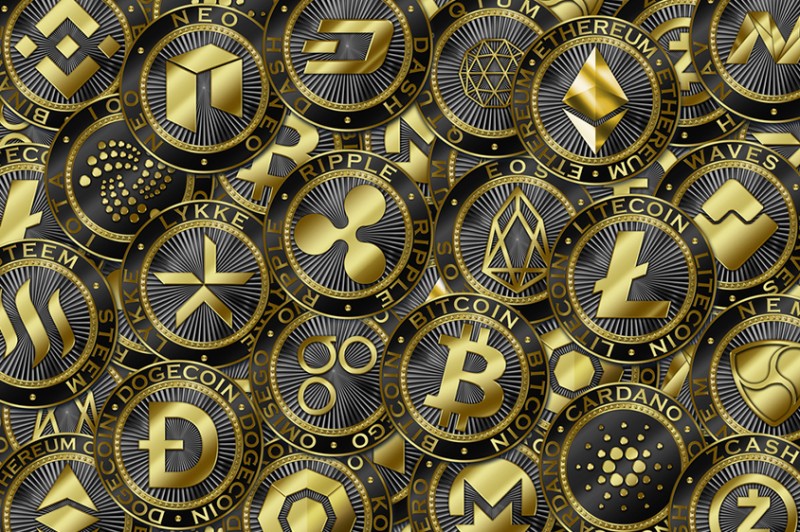
Bitcoin launched 2009. Hard cap of 21 million - scarcity drives value. Throughput ~7 transactions/sec, slow vs. electronic rails. Ethereum (ETH) is the #2, hosting smart contracts and tokens on its chain.
Others: Litecoin, Dogecoin. The what are the best cryptocurrencies debate is eternal, but BTC and ETH lead market cap. Some chains claim better security. I stick to the big two - they show the spectrum from scarcity to platform.
Well-known cryptocurrencies
- Bitcoin (BTC)
- Ethereum (ETH)
- Litecoin (LTC)
- Dogecoin (DOGE)
Big Price Swings And Risk
Crypto prices whip and crash. Between 2017-2018, Bitcoin shed 84% of value, vaporizing wealth. 2016 price ~$450, then to $16k in 2018, down to $3,100, later past $60k. Winners and losers made fast - sometimes in months.
The value of cryptocurrencies is based purely on what people believe them to be worth.
Belief-based value echoes Tulip Mania (1634-37), bulbs spiked then popped. Sentiment shifts, coins could go to zero. That’s why I tell friends: only risk what you can lose when considering what is cryptocurrency used for as an investment. Total coin market hit ~$2.6T, ~6,700 coins exist, Bitcoin dominates.
Bitcoin explained simply plus Web1‑Web3 comparison
Good Sides Of Crypto Payments

The plus side of crypto payments: Privacy - no personal data like debit. Speed beats multi-day checks. Low cost, and any internet user qualifies, anywhere.
Advantages cited for cryptocurrency
- On-chain privacy/security
- Lower tx costs
- Global access
- No central control
These support crypto as a tool for free value movement. No government tie - some find that liberating. But weigh vs. the bad; source notes security comes from the blockchain itself.
Bad Sides And Worries
Now the worries. Few merchants, violent swings, mining’s energy appetite. Assets lost or stolen via hack or user error. Crime leverages privacy, and regulation is fuzzy - adding friction for normals.
Disadvantages and concerns
- Limited merchant acceptance
- Extreme volatility
- Environmental impact from mining
- Security risks like hacking
- Criminal activity attraction
- Regulatory uncertainty
Governments worldwide are taking varied approaches to cryptocurrency regulation.
A Quick History Of Crypto
A timeline frames what is cryptocurrency used for today. 2008: Satoshi publishes Bitcoin paper. 2009: first BTC tx between Hal Finney and Satoshi. 2010: 10k BTC for two pizzas - first commercial use. 2013: market cap >$1B, Ethereum proposed.
Key dates in blockchain development
- 2008: Bitcoin white paper released
- 2009: First BTC transaction
- 2010: Two pizzas paid in BTC
- 2013: Market value over $1 billion
Later: more companies accept, PayPal adds support. Bahamas launched CBDC in 2020. Slow creep into main use, not cash takeover. The pizza story is best proof early use was real but tiny.
Rules And Laws Around The World
Countries diverge. Some welcome, others restrict or ban exchanges. China and India imposed limits, fueling uncertainty. Legal status shifts as governments learn to tax and guard this transfer.
This patchwork affects what is cryptocurrency used for cross-border. One nation’s merchant accepts; neighbor blocks. I watch news but don’t sweat daily shifts - core tech is constant.
Learning More Without The Hype
To go deeper, calm paths exist. Read books about crypto currency or take a crypto trading course free online. For the tech, how to learn blockchain technology is a search away - videos and docs that decode it.
New coins launch via ICOs with white papers - outlining problem and supply. Some chains use standards like bep crypto for token rules, deeper rabbit hole. Learn before leaping; don’t trust loud social voices.
Places to build your crypto knowledge
- Books about crypto currency for basics
- Free trading courses on the web
- Blockchain tutorials for tech side
- White papers from new coin launches
What To Know About Cryptocurrency Before You Jump
Before you buy, what to know about cryptocurrency is simple: digital coin for payments, investment, borderless transfers. But few shops take it, prices can crush. Learn the tech, pick a safe wallet, use only spare cash you can lose.
Understanding cryptocurrency is increasingly important as younger generations encounter these concepts.
That’s the plain-English wrap on what is cryptocurrency used for. Not a magic wealth tool, not a default scam. A different money with real uses and real risks. Keep eyes open; don’t let hype decide - the market does what it wants with or without your panic.


Comments on “What Is Cryptocurrency Used For in Everyday Life, Minus the Hype”
No comments yet. Be the first to share your thoughts.