Cryptocurrency, Explained: What It Is and How It Works for Beginners

What Is Cryptocurrency? Here's the Breakdown
So you want to know what is a crypto currency. Fair question. I've read the jargon-filled explainers, and honestly, most of them lose me after the first paragraph. Let's cut through the noise. Think of cryptocurrency as digital money. Not paper, not coins in your pocket. It's code on a network. But here's the kicker: it doesn't just vanish or multiply at the whim of a central bank. That’s the core question, right? - is, how do you actually do anything with it without getting scammed or losing sleep?
Cryptocurrency basics: definition, blockchain, wallets, investing
Digital Money Without the Middleman
You’ve probably heard the term “decentralized.” That’s crypto’s big selling point. Instead of a bank or government controlling it, transactions happen peer-to-peer over a network of computers. No middleman. This is what to know about cryptocurrency before diving in : it’s not like cash. You can’t just stick it in your wallet and forget it. Lose your login, and good luck getting it back. No customer service, no reset button. That’s both its appeal and its trap.
Blockchain: The Shared Ledger Trick
Imagine a spreadsheet that thousands of people can see at once, but no one can secretly edit. That’s a blockchain. Every transaction gets grouped into a block, checked by the network, then locked in like a brick in a wall. It’s not magic, just math and a lot of computers agreeing on the same thing . Once a block is added, changing it would mean redoing the whole chain. Painful enough that most folks won’t bother.
“Bitcoin is mathematically generated as the computers in this network execute difficult number-crunching tasks.”
Cryptography: The Secret Sauce
Let’s be real-without cryptography, none of this works. Think of it like a vault with two keys: one you share (your public address), and one you keep locked down (your private key). Crypto currency explained simply: it’s a system where only you control access to your money . Get that key wrong, lose it, or hand it to some sketchy app, and you’re SOL. Banks? They don’t have it. No regulator, no insurance company, no “oops we’ll fix it.” You.
Your Wallet, Your Responsibility

A crypto wallet isn’t a leather thing you carry around. It’s software-or hardware-that stores your keys. Hot wallets (online apps) are convenient but vulnerable. Cold wallets (offline devices) are safer but a pain if you actually use crypto regularly. The best beginner crypto wallet isn’t necessarily the flashiest one . It’s the one that keeps your keys yours. Period.
Wallet Types Compared
- Hot wallets (apps or browser extensions)
- Cold wallets (USB-shaped hardware devices)
- Mobile wallets (phone apps)
- Custodial wallets (exchanges hold your keys)
How cryptocurrency actually works: Bitcoin, Ethereum, NFTs
Mining: Proof You Did the Work
Ever wonder who keeps this whole machine running? Miners. They solve puzzles to lock in transactions and get rewarded with new coins. This is what is the cryptocurrency game for miners : burn electricity, guess numbers, hope you win. For Bitcoin, that means powerful rigs and cheap power. For other coins? Different rules, same grind.
Proof of Stake vs. Proof of Work
Not all networks rely on mining. Ethereum switched to proof of stake, where validators stake their own coins to earn rewards. Less energy, more math. Either way, blockchain technology is the glue . It’s just a question of who gets paid to do the work.
“Blockchain records are often publicly visible, but that doesn’t mean everyone knows who owns each wallet.”
Bitcoin: First, But Not the Only Kid
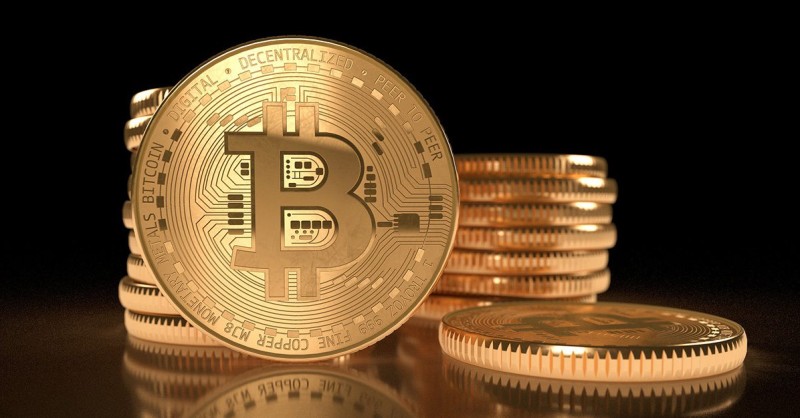
Launched in 2009 under the name Satoshi Nakamoto, Bitcoin started it all. Limited supply, decentralized, and stubbornly resistant to change. People ask what is cryptocurrency used for beyond speculation . Payments? Sure, but good luck convincing your local coffee shop. Store of value? Maybe. Digital gold? Depends who you ask-and whether they’re holding any.
Altcoins: The Wild West
Bitcoin’s not alone anymore. There are thousands. Some are memes (Dogecoin), some are stablecoins (Tether, USDC), others are tools (Ethereum, Cardano). What is a crypto currency besides Bitcoin, really? Often, it’s a bet on a project’s potential-or a gamble on hype.
Major Crypto Categories
- Bitcoin (BTC) – decentralized peer-to-peer cash
- Altcoins (Litecoin, Dogecoin) – alternatives to Bitcoin
- Stablecoins (USDT, USDC) – pegged to stable assets
- Utility tokens (LINK, ADA) – access to specific platforms
Transactions: Fast, Slow, or Stuck
You send crypto, and it goes into a queue. Depending on the network, it might confirm in minutes-or take hours. Fees spike during busy times. Crypto currency is what you make of it, but fees are part of the cost . Rush a transaction? Pay up. Want to wait? Maybe your coffee’s still warm by then.
DeFi: Banking Without Banks
Decentralized finance (DeFi) lets you lend, borrow, or trade without a bank. Sounds great. Until something breaks and there’s no help desk. Here’s what to know about cryptocurrency’s DeFi boom : it’s mostly code. And code can crash.
“Smart contracts can be vulnerable to exploits, coding errors, oracle failures, or price manipulation.”
Cryptocurrency in five minutes: fiat, blockchain, wallets, stablecoins
Regulation: Coming for Everyone
Regulators worldwide are figuring out how to tax, track, and control crypto. Know Your Customer (KYC) checks? The Travel Rule? Yep, coming to an exchange near you. Even blockchain’s transparency is now a compliance issue . Anonymous? Not for long, if governments get their way.
Volatility: Buckle Up
Prices swing hard. One day you’re up 20%, the next you’re down 30%. What is cryptocurrency worth, really? Tomorrow’s answer could be very different . Don’t invest what you can’t afford to lose-and by “can’t afford,” I mean rent money, not lunch money.
Tax Time: The IRS Is Watching
Every trade, every sale, every coffee bought with crypto-it’s all taxable. Crypto currency explained simply: the tax man treats every transaction like a sale . Good luck explaining that to your accountant.
Crypto Tax Triggers
- Selling crypto for fiat currency
- Trading one crypto for another
- Using crypto to buy goods or services
- Earning staking rewards or mining income
Scams: If It Sounds Too Good…

“Double your crypto in 24 hours.” “Free tokens-just connect your wallet.” What is a crypto currency if not a playground for grifters? Legitimate projects rarely DM you on Twitter. Ever.
CBDCs: Governments Fight Back
Enter Central Bank Digital Currencies (CBDCs)-government-backed digital cash. Governments see what is cryptocurrency used for, and they want in on the action . Privacy? Gone. Convenience? Maybe. Control? Definitely.
Wrapping Your Head Around It
At the end of the day, crypto is just another tool. What is cryptocurrency to you-wealth, rebellion, chaos? The tech works. The applications are still catching up. And the risks? They’re real, but so are the opportunities-if you know what you’re doing.
“Blockchain’s technical immutability does not prevent losses caused by stolen private keys, compromised exchange accounts, or failed personal security.”



Comments on “Cryptocurrency, Explained: What It Is and How It Works for Beginners”
No comments yet. Be the first to share your thoughts.