
How NFT Hydroponic Systems Work and Why They're Best for Beginners
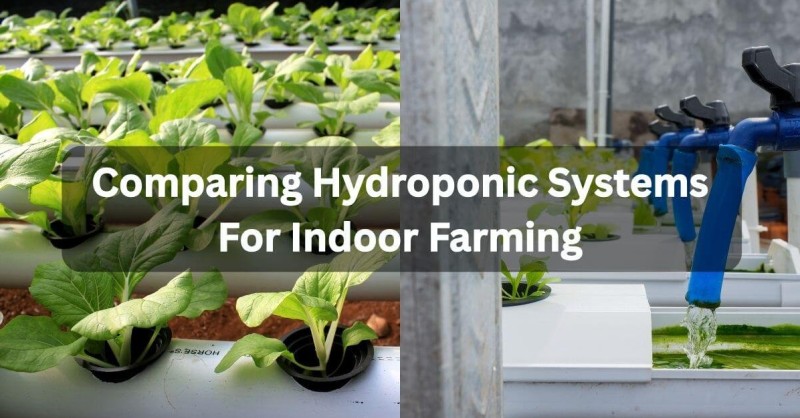
NFT Hydroponic Systems for Beginners
NFT hydroponic systems move a thin film of nutrient water through shallow channels. The lower roots touch the film, while much of the upper root area gets air. The loop is simple: pump, channel, roots, return line, reservoir.
Here is the catch. The idea is easy to learn, but NFT has almost no water reserve. If flow stops, roots can dry fast. I would call it beginner-friendly only for someone who checks the system every day and acts quickly when something looks wrong.
NFT was created by Dr. Allen Cooper in the 1960s. Its low water use and small solution volume later shaped home and farm use. The method is old. Keeping the flow alive is the hard part.
How NFT Hydroponic Systems Work
The Nutrient Film Technique sends a shallow stream of dissolved nutrients through a sloped pipe or trough. The film is often about 2 to 3 millimeters thick. It passes over the lower roots and then returns to the reservoir for another trip.
The NFT loop
- The reservoir holds the nutrient solution.
- A submerged pump sends solution to the high end of each channel.
- The sloped channel spreads a thin film across the root zone.
- Lower roots touch water while upper roots reach oxygen in the air.
- The return line carries solution back to the reservoir.
Roots need water and oxygen. NFT gives them both, but only while the film keeps moving. Warm water holds less oxygen, crowded roots can block flow, and a slow channel can leave some roots dry. The upper root exposure is useful, but it does not make the system immune to bad flow.
A thin film saves water. It also leaves almost no cushion when flow stops.
NFT Hydroponics Explained: The Baseline
Why NFT Uses Less Water
NFT systems are reported to use up to 90% less water than common soil growing methods. That is not a promise for every crop, climate, or setup. The main reason for the saving is simple: a small amount of nutrient solution is used again and again instead of soaking through a large soil bed.
Because the water returns to the reservoir, less is lost through soil drainage and evaporation. Nutrients also reach roots in dissolved form. Flow can reduce the salt build-up seen in some still-water systems.
The small volume has a cost. It can warm fast, cool fast, and change nutrient strength fast. NFT also lacks the deep water cushion found in larger systems. Water savings are the upside. Thin margins are the downside.
Less water is NFT's superpower. Its lack of reserve is the bill.
Plants That Fit NFT
NFT favors fast crops with shallow roots that can reach the film without filling the channel. A plant with a huge root mass can block the path and leave other plants short of food. Crop choice matters more than raw yield claims.
Common NFT crop choices
- Leafy greens include lettuce, spinach, kale, mustard greens, arugula, sorrel, tatsoi, mache, frisee, bok choy, and Asian greens.
- Herbs include basil, mint, cilantro, chives, parsley, and oregano.
- Compact crops such as wheatgrass and microgreens can fit narrow channels.
- Cucumbers, tomatoes, peppers, and strawberries may work in dedicated designs with larger root containers, strong support, and larger channels.
- Carrots, turnips, deep-root crops, and heavy plants are poor fits for a simple NFT channel.
Lettuce is a common first crop because it grows fast and forms a fairly compact root system. Many NFT lettuce growers start plants about 6 to 8 inches apart, then adjust for the mature size of the variety.
Large fruiting crops need more than a bare channel and a small net cup. Strong supports, more root room, and careful design may make them possible, but those changes add cost and work. A simple leafy-green setup gives you the cleaner test.
Starting Plants for NFT
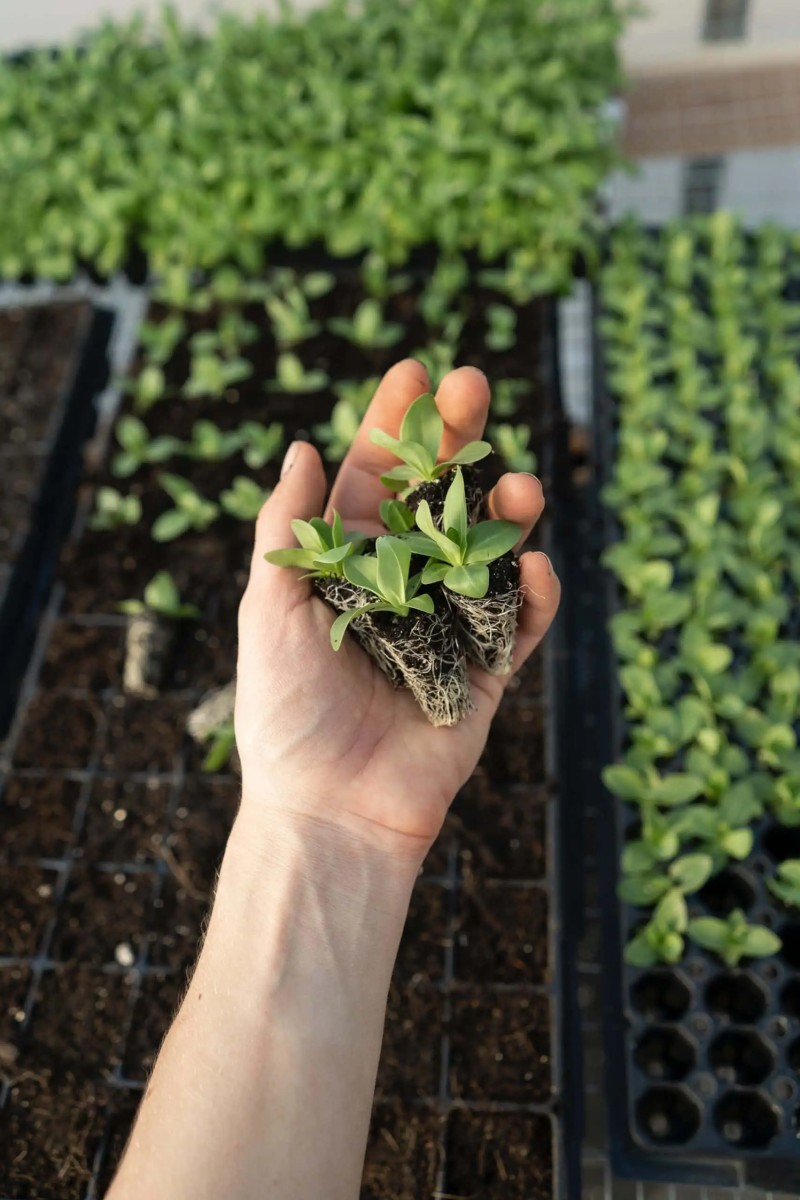
Most NFT channels are poor places for direct seeding. The thin film may not keep the seed bed wet enough for steady germination. I would start seeds in rockwool, foam, peat, coir, or another small plug, then move them after roots appear.
Signs a seedling is ready
- White roots extend from the bottom of the plug.
- The roots are long enough to reach the nutrient film after transplant.
- The plant crown and stem stay above the wettest part of the channel.
- The plug fits inside the net cup without blocking the channel.
- The seedling stays upright without packing medium over the cup opening.
After planting, the root tips should touch the solution or film as soon as the pump starts. That short transition matters. A seedling placed in a dry net cup may spend days searching for water even when the rest of the system is working.
Parts of an NFT Hydroponic System
An NFT setup has a small set of core parts, but each one has a clear job. Miss one job and the whole loop can fail.
Core NFT parts
- Food-safe channels or troughs hold the plants and guide the nutrient film.
- A sturdy frame supports wet channels, roots, plants, and containers.
- A reservoir stores the nutrient solution below the channel outlets.
- A submersible pump moves solution to the high end of the system.
- A manifold divides pump output among multiple channels.
- A return pipe or open gutter sends solution back to the reservoir.
- Net cups hold seedlings upright while roots grow downward.
- An inert plug such as rockwool, foam, peat, or coir supports each seedling.
- Tubing and watertight fittings connect the pump, manifold, channels, and return.
A mesh filter can catch debris before it reaches the pump. Backup power, a second pump, a flow alarm, and pH, EC, or temperature monitors can add safety. Most beginners can start with fewer channels, but they should not skip dependable flow.
Four Reasons to Skip NFT Entirely
Channel Slope, Size, and Length
Channels should be food-safe, smooth, resistant to corrosion, and firm enough to hold water and mature plants. Food-grade PVC pipe about 3 to 4 inches wide is a common home choice. Other channels may be about 1 to 3 inches deep.
Channel design checks
- Use a steady fall from the inlet to the outlet.
- Published slope advice ranges from about 1:100 to 1:30, with some guides preferring 1:30 to 1:40 and others using 2% as a minimum for horizontal channels.
- One beginner guide suggests channels no longer than 10 to 12 feet.
- Experienced growers may use 30 to 40 foot channels, but long runs can have uneven nutrient delivery.
- Avoid flat spots, overflow points, and outlets that can clog.
Long channels create another problem. Plants near the inlet remove nutrients before the solution reaches the far end. The end of the channel may then feed a weaker crop. More short channels usually give you more control than one long channel with impressive dimensions.
Reservoir, Pump, and Manifold
The reservoir should sit below every channel outlet. Use a food-grade tank that resists leaks, blocks light, and has a cleanable lid. One sizing guide suggests 0.5 to 1 gallon per foot of total channel length. Under that rule, 100 feet of channel would need about 50 to 100 gallons.
A larger reservoir changes temperature and nutrient strength more slowly. A small one saves floor space but can shift fast when plants drink, the room warms, or water evaporates. Pick a size that fits the crop and gives you some buffer.
The pump must stay submerged and lift solution to the highest channel. Pump ratings near 250 to 400 gallons per hour are described as enough for many small residential and business systems, but that is not a universal rule. Channel count, pipe length, lift height, and flow needs decide the right pump.
Flow advice also varies. One source names 0.5 liters per minute per channel as a beginner setting and 1 to 2 liters per minute as normal flow. Another uses 3 to 5 gallons per hour. Do not blend these into one neat range. Test for a steady, visible film that keeps roots wet without racing through the channel.
A manifold must split the flow evenly. Adjust it until every channel receives a similar amount. One strong channel and one weak channel make a poor pair, even if the pump looks powerful.
A pump moves water. Dependable flow keeps a crop alive.
Net Cups, Root Support, and the Frame
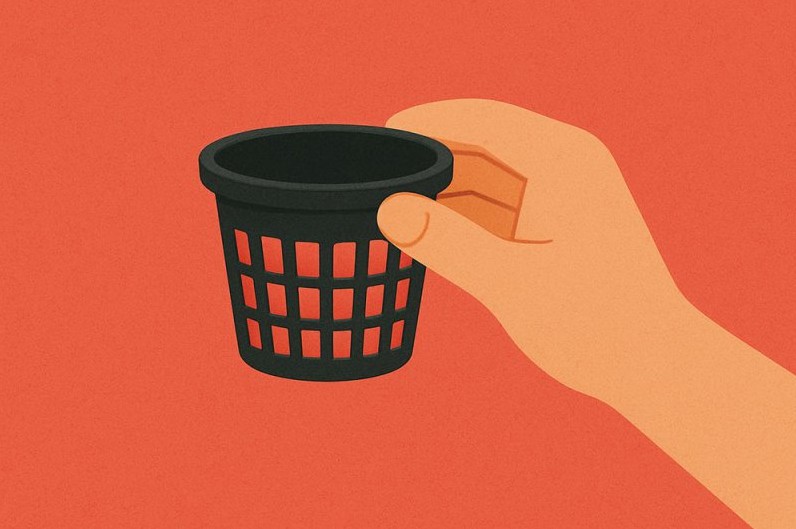
Net cups are slotted plastic containers often sold in 2-inch and 3-inch sizes. They hold the plant and plug without stopping the nutrient film from moving below. Keep the crown and stem dry while the root tips reach the solution.
What the frame must carry
- Water-filled channels.
- Reservoir weight when the frame holds the tank.
- Root mass and mature plant weight.
- Net cups, plugs, and any crop supports.
- Loads from planting and harvesting.
- Wet tubing and fittings without kinks.
The frame should be level from side to side while each channel keeps its intended slope. Reinforce long spans and joints. Leave enough room to look at roots, clean drains, catch leaks, and harvest plants without moving the whole setup.
Planning the NFT Layout
Start with the crop, not the channel. Measure mature plant width, height, root reach, and support needs. Check the light, floor load, temperature, power, drainage, and room needed for access. One build guide points to 6 to 8 hours of sun or added lighting, while indoor setups often use full-spectrum LED lights.
NFT layout checklist
- Number and length of channels.
- Space for the reservoir, pump, and manifold.
- Room between channels, often about 8 to 12 inches.
- Access to plants, roots, drains, and joints.
- Room for return lines and plumbing.
- Support for mature crops.
- Electrical access for pumps, lights, and sensors.
- A safe place for the reservoir where leaks can be seen.
- A floor and frame that can carry wet channels and mature plants.
I would begin with a few short channels. You can test flow, find leaks, watch nutrient use, and clean the parts without turning a small problem into a large one. Once that loop stays steady, the next channel is easier to add.
Building an NFT Hydroponic System
Build the frame before cutting the channels. That keeps the slope and reservoir position under control. Test every part with plain water before fertilizer enters the loop.
NFT build steps
- Measure the growing area and choose a crop with a suitable mature size.
- Decide how many channels will fit without blocking light, air, or access.
- Build a level frame with a reinforced path down to the reservoir.
- Cut the channels, drill net-cup holes, and sand sharp edges.
- Mount every channel with the same intended fall.
- Install the reservoir below the lowest outlet and keep the pump underwater.
- Connect the pump, manifold, channel inlets, and return lines.
- Fit net cups and test the full loop with plain water.
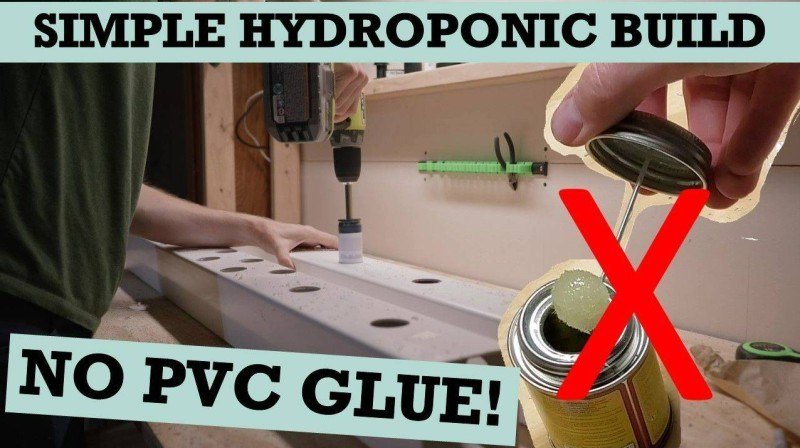
There are simpler rail designs too. One example uses a 4-inch fence post cut in half to form two rails about 4 feet long. Threaded bulkheads, tubing, elbows, and aquarium silicone build a loop that can be taken apart. That setup is meant for leafy greens and herbs, and the source reports a full lettuce crop within several weeks.
The lesson is not that one material always wins. It is that a removable design can make cleaning and repair easier. A sealed joint that cannot be opened may cost more than the small savings that created it.
Test the NFT System With Water
Plain water is the honest test. Fertilizer can hide a leak, disguise weak flow, and make root damage harder to judge. Run the pump long enough to see whether every part behaves as planned.
Water-only test checks
- Confirm that the pump is fully submerged.
- Check every power connection.
- Look for leaks at tubing, joints, bulkheads, and channel ends.
- Watch the inlet, middle, and outlet of every channel.
- Compare flow from all manifold outlets.
- Check that the film covers the root zone without flooding the channel.
- Make sure the return drains freely and does not back up.
- Watch the reservoir level during circulation.
- Look for dry spots, wet spots, dead zones, and pooling.
- Isolate one outlet at a time and note how the flow changes.
Fix leaks before adding nutrients. If one channel runs weak, adjust the manifold, pump, slope, or inlet rather than waiting for crop damage. A test is doing its job when it finds the problem while there are no plants at risk.
Plain water catches plumbing faults. Nutrients should never hide them.
Nutrients, pH, EC, and Temperature
The nutrient solution is water plus the minerals plants need. Crop type and growth stage decide the mix. A two-part formula can give more control, but its parts must be mixed in the right order and amount. The solution should be mixed until no fertilizer remains at the bottom.
Common NFT measurement targets
- Most NFT guidance gives a pH range of 5.5 to 6.5; one maintenance source uses 5.5 to 6.2.
- A common starting EC range is 1.0 to 2.0 mS/cm, depending on the crop and growth stage.
- The cited solution temperature range is 65 to 75°F, or 18 to 24°C.
- Advanced setups may watch dissolved oxygen and look for about 6 to 8 mg/L.
- Test source water for minerals, chlorine, chloramine, pH, and other contaminants.
- Use reverse-osmosis or distilled water when poor source water would upset the nutrient balance.
pH changes can make nutrients hard to absorb even when the fertilizer bottle says the right amount was used. A rising EC may mean evaporation or water loss. A falling EC may mean dilution or heavy plant uptake. EC alone cannot tell you which nutrient is missing.
Measure pH and EC at least twice a week under the cited routine schedule. Dense or commercial plantings may need daily checks. Calibrate sensors against known standards because a bad meter can lead to a worse problem than the one it was meant to catch.
DIY Hybrid NFT Build in 15 Parts
Daily NFT Hydroponic System Checks
NFT needs observation, not just equipment. The exposed roots make some trouble easier to see, but the small reservoir lets conditions change fast.
What to inspect each day
- Flow at the inlet, middle, and outlet of every channel.
- Equal flow from each manifold outlet.
- Reservoir level and pump intake.
- Solution temperature.
- Wilting, discoloration, pests, and uneven growth.
- Roots and debris near the net cups.
- Dry areas, wet areas, and other signs of uneven flow.
- Leaks, loose fittings, split tubing, and moving joints.
- Return flow and drain openings.
- Pump noise or any change in circulation.
A simple care schedule keeps those daily checks from depending on memory.
NFT care schedule
- Check flow, plants, roots, leaks, and reservoir level every day.
- Review flow, pH, EC, and nutrient level at least twice a week.
- Clean channels and inspect drains, tubing, pump, frame, and return each week.
- Calibrate pH and EC meters each month.
- Clean and sanitize between crop cycles.
General indoor guidance suggests replacing nutrient solution every one to two weeks, but a small NFT reservoir can shift sooner. Replace it when the balance will not settle, the water looks cloudy or smells bad, or pH and EC cannot be brought back into range. Topping off with plain water does not replace nutrients that plants have used in different amounts.
Root Clogs, Algae, Leaks, and Pump Loss
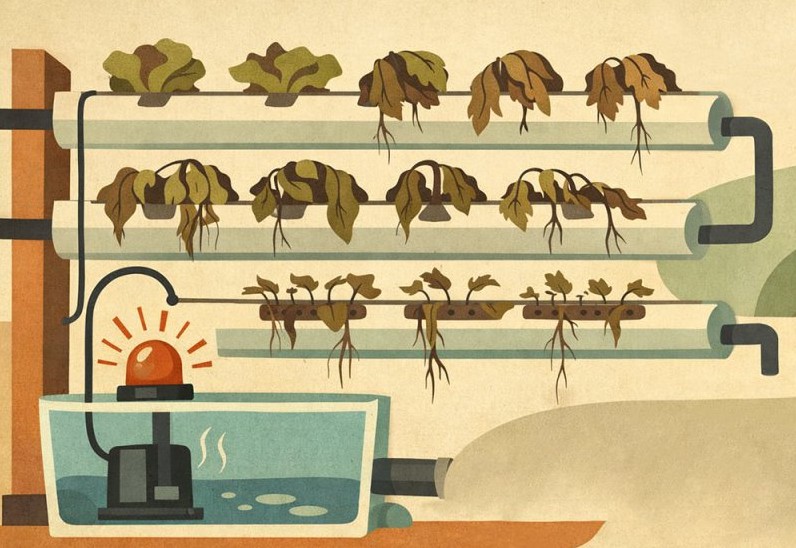
A stopped pump removes water, oxygen, and nutrients at the same time. Plants can wilt within hours. Power loss, a failed pump, a kink, a clogged inlet, or a closed valve can all start that chain.
Roots are supposed to spread into the channel. When they grow into a dense dam, they can block the film and raise the water level. Match mature root size to channel size, inspect roots before they fill the space, and keep drains and returns open.
Algae grow when light reaches nutrient-rich solution. Opaque tanks, channels, tubing, and covers reduce that light. One source lists 3 ml of a 3% hydrogen peroxide solution per gallon for persistent algae. I would not use that as the first move. Check the product label for the crop and materials, and do not mix it with other products by guesswork.
Warning signs that need quick action
- No flow at one or more channel outlets.
- Wilting while the reservoir still has solution.
- A dry channel, rising water level, or slow return.
- Roots blocking a drain or net cup.
- Green growth in light-exposed solution or channels.
- A sudden pH or EC change.
- Warm solution with weak plant growth.
- Wet joints, dripping fittings, or a leaking reservoir.
NFT has no deep water cushion. Every hour without flow counts.
Cleaning and Repairing the NFT System
Weekly cleaning is not extra polish. Roots, mineral deposits, and debris can slowly narrow the path for water and air. Scrub channel walls, inspect drains, and keep the reservoir and return lines open.
Cleaning and repair order
- Turn off the pump and isolate power before opening the system.
- Remove plants and loose roots without breaking the channel.
- Clear debris from the inlet, outlet, return, and reservoir.
- Scrub mineral deposits from channel surfaces.
- Inspect tubing for kinks, splits, and loose fittings.
- Test the pump, manifold, and backup setup before restarting.
- Clean and sanitize the system between crop cycles.
For a leak, find the source, isolate or dry the area, use a sealant safe for water contact, and let it cure fully. The cited cure time is 24 hours. After repair, watch the joint during a full water test. A seal that looks dry can still move when the channel is full.
The source calls for full system sanitation twice a year, plus crop cleaning between cycles. That is a schedule, not a substitute for good inspection. If roots show signs of disease, shared solution can carry it from plant to plant in a very short time.
Why NFT Can Be Hard for Beginners
NFT has a fair beginner pitch. The loop is easy to picture. The core parts are few. Roots are easy to inspect, and the pump does not need a flood-and-drain timer. A clean layout can run with limited daily work.
But that daily work is the price of water savings. The small solution volume has little reserve, disease can spread through recirculation, warm water holds less oxygen, and roots can block a channel. A reliable pump, correct slope, even manifold, backup power, and steady observation make the system work. Remove those controls and the risk rises fast.
A first-time grower who wants more protection from a short failure may choose DWC, Kratky, or an open media system. DWC keeps more water around the roots. Kratky needs no pump. Open media holds a buffer between watering cycles. The choice is less about winning a system contest and more about matching the setup to your time and attention.
NFT Is Not a Blockchain Topic
One search note matters here. In NFT hydroponic systems , NFT means Nutrient Film Technique. It does not mean a non-fungible token. Results for free blockchain courses , Coursera blockchain , or crypto classes for beginners lead to a different subject. Pages about crypto books or crypto site lists are the same dead end. Search for NFT channels, nutrient film, reservoir, and root oxygen instead.
NFT Compared With Other Hydroponic Systems
Hydroponic systems mainly differ in how they deliver water and oxygen, how much equipment they use, how much water they hold, and what happens during a failure. NFT shines with leafy greens and water savings. It is not the only game in town.
Other hydroponic methods
- Deep Water Culture holds roots in an aerated reservoir. It has more water reserve than NFT, but it depends on an air pump and temperature control.
- Ebb and Flow floods a tray on a timer and drains it back. Roots get air between cycles, though clogs and timer faults can cause trouble.
- Kratky uses no pump. An air gap forms above the falling solution level, which works well for small, fast crops.
- A wick system pulls solution through cotton, felt, or rope. It needs no power but suits small herbs better than thirsty, heavy plants.
- Drip systems send solution through emitters. They serve large or mixed crops but need filters and regular checks for clogged lines.
- Aeroponics mists suspended roots. It can give roots plenty of air, but nozzles, timing, and root-zone temperature need close control.
- Open media systems use clay, coir, perlite, rockwool, or another material. They may cost more in space and handling but give many beginners a larger safety buffer.
Choose from crop, room size, labor, budget, and tolerance for failure. Vertical layouts can raise output per square foot, but they still need a sound water-delivery method. NFT is worth the daily attention when its water savings and channel layout fit your crop. If you cannot check flow often, choose the system that gives roots more time when something goes wrong.
Cost, Skill, and NFT System Size
The source cost comparison places NFT above simple wick and deep-water setups, but below drip and aeroponic systems. The sticker price is only part of the bill. You also need nutrients, net cups, a medium, monitoring tools, lighting, filtration, backup power, cleaning supplies, and replacement parts.
Commercial growers can spread those costs across many channels. They can also use written flow rates, sanitation schedules, alarms, and staff trained to spot trouble. A home grower may have fewer parts and one person doing several jobs. That person may miss a small imbalance while handling work, money, family, or another system.
Start small, prove the flow, and add capacity only when the loop is steady. A second pump or battery-backed setup can matter more than another row of channels. NFT rewards attention and punishes absence. If your schedule cannot support that deal, choose a system with more stored water or fewer moving parts.
The right NFT system is the one whose daily care fits your life.




Comments on “How NFT Hydroponic Systems Work and Why They're Best for Beginners”
No comments yet. Be the first to share your thoughts.