
Crypto Currency Explained Simply: A No-BS Guide to Blockchain, Bitcoin, and Your Cash
Crypto Currency Explained Simply: What It Is and Why It Matters
Let’s do crypto currency explained simply. No jargon, no mercy. A cryptocurrency is money with no paper form - it lives on computers. You store and trade it on a public ledger called the blockchain. A decade ago almost nobody had heard of it; now banks and retailers are buying Bitcoin and altcoins. That’s why people are asking what a cryptocurrency is and why it matters to their cash.
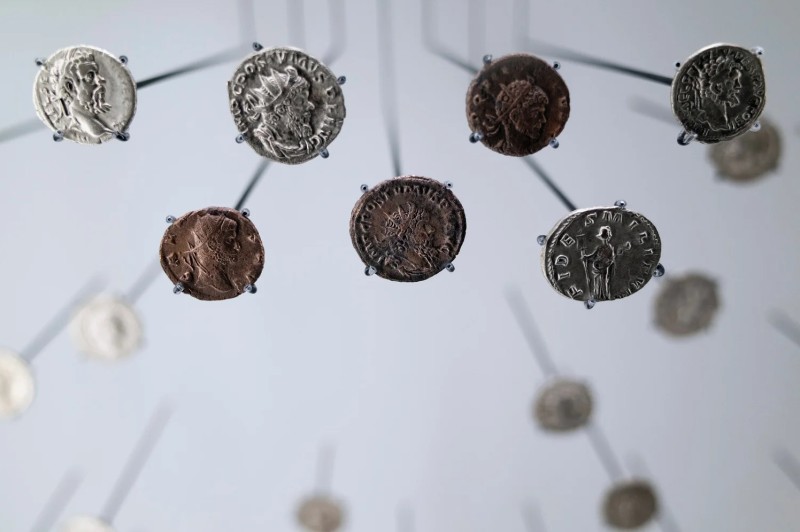
The history of money informs this. Romans minted coins. Governments later printed paper they can dilute at will. Crypto flips the script: math, not monarchs or banks. I first read about Bitcoin when it traded around ten bucks. Didn’t buy - silly me. But the tech stuck.

Fact: You don’t need a CS degree to get this. Take your time, learn the basics. Believe or not, blockchain is likely permanent. That’s what to know about cryptocurrency before you part with cash. Don’t rush.
What Is Cryptocurrency and How It Works
How Blockchain Technology Works
Blockchain is a database - but distributed across millions of machines. Send crypto, the network records it. Other computers validate the transfer via hard math. Those are miners, rewarded with coins.
This is proof-of-work. Validated transactions bundle into a block. Each block links to the prior via a code. Alter one historical block and you must rewrite all subsequent ones. To hack it, you’d need majority control of the network - on a large chain, near impossible. The record stays safe.
Key Points of Blockchain
- Shared across many computers, not a single bank.
- Miners verify trades, earn coins.
- Blocks link by code - tampering is brutally hard.
- Peer-to-peer trades, no middleman.
By creating a decentralised currency, cryptocurrencies let people trade directly without the need of an intermediary, which was a real game changer.
If you want how to learn blockchain technology , there are TED talks and Wired clips that walk through it. The core idea is simple: no central boss.
Kinds of Cryptocurrencies
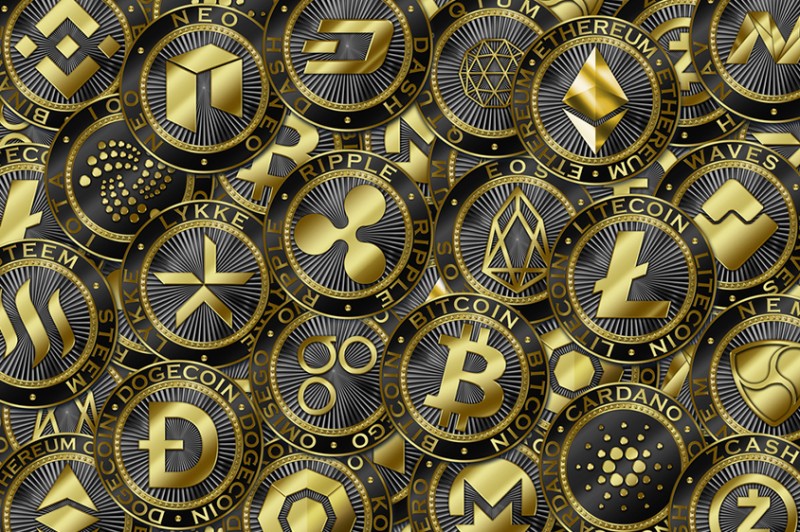
The label “cryptocurrency” misleads. Many tagged crypto aren’t money - they track supply chains, enable private trades. Bitcoin and Litecoin are currency coins. Ethereum powers apps. Everything not Bitcoin? Altcoins.
Thousands of coins exist. A viral tweet nailed it: Bitcoin is store of value, Ethereum distributed computing, Ripple settlement, Litecoin P2P, Zcash anonymous, Monero censorship-resistant, Stellar payment infra. That’s a clean lens for best website cryptocurrency lists if you dig.
Common Crypto Categories
- Currency coins: Bitcoin, Litecoin.
- Privacy coins: Monero for anonymous use.
- DeFi: UniSwap, cuts middlemen.
- Supply chain: VeChain.
Some coins have their own chain - Ether on Ethereum, BNB on Binance Smart Chain. Others are tokens atop another network, e.g., Chainlink on Ethereum. This matters when you allocate capital.
Bitcoin In Depth
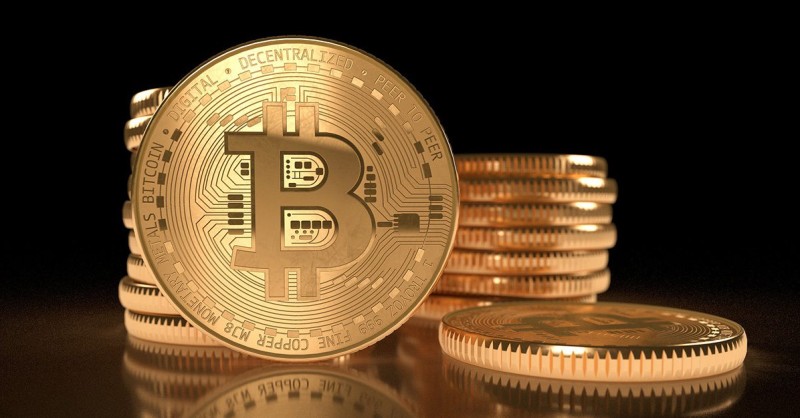
Bitcoin launched 2009, after Satoshi Nakamoto’s 2008 whitepaper. Identity unknown. Open-source electronic cash. Price went from zero to absurd peaks. Hard cap: 21 million coins. Supply halves periodically - a hedge against inflation for some.
Volatility is massive, so many treat it as digital gold, not spendable cash. Caveat: it’s a bet. Visa and PayPal accept crypto - sign it’s not vanishing. But only risk what you can lose. Full stop.
Bitcoin is pristine digital asset, unconfiscatable, uncensorable, infinitely divisible, absolute fixed cap, world’s most liquid, can be sent 24/7.
Bitcoin burns power - miners run warehouses of rigs, more than some nations’ grids. Yet >50% is renewable. Some argue it accelerates clean energy. I just think you should know before you mine or buy.
Cryptocurrency in Five Minutes: Binance Breakdown
Ethereum And Smart Contracts
Ethereum launched 2015, proposed by Vitalik Buterin in 2013. Beyond coins, it runs unstoppable apps. The coin is Ether. Code (Solidity) enables smart contracts - programs that execute exactly as written, e.g., rent paid automatically on receipt.
September 2022: Ethereum shifted from proof-of-work to proof-of-stake, slashing energy use ~99%. Called digital oil for powering future apps. If blockchain software development interests you, start here.
What Ethereum Gives You
- Programmable blockchain for apps.
- Smart contracts, no bosses.
- Low power post-staking switch.
- A platform, not just a coin.
Crypto Mining With Proof Of Work
Mining does two jobs: mints new coins and validates trades, preventing double-spend. Miners solve cryptographic hashes; first to crack adds the block and earns. Difficulty rises as more rigs join.
Early days: mine on a PC. Now? You need GPUs or ASICs. Pools let small players team up. Watch the power bill - one ASIC draws serious juice. IRS taxes mined coins as income upon receipt.
What is a cryptocurrency mine? It's a setup of computers solving puzzles to secure the network and earn coins.
That’s what is a cryptocurrency mine in plain English. Some see what does cipher mining do and panic. It’s just code-based mining. No magic.
Ways to Mine
- CPU: slow, barely viable.
- GPU: rigs with multiple cards, cooling.
- ASIC: purpose-built, pricey but fast.
- Cloud: rent a rig, hands-off.
Staking And Proof Of Stake
Staking is the calmer security model. Lock coins to validate trades. More stake, higher selection odds. Cheat, you lose stake. Concept floated 2011, first real use 2013.
Ethereum’s 2022 staking shift cut energy 99.84%. Now: liquid staking, delegation. Open to regulars, not just machine halls. I like that.
Staking Styles
- Basic: lock directly.
- Delegated: pool with validators.
- Liquid: trade a token representing stake.
- Restaking: secure multiple networks.
If you read books about crypto currency , they frame staking as the move from heavy mining to light commitment. Good for the planet.
Buying And Storing Crypto
Easiest on-ramp: app like Coinbase. Account, cloud wallet - but they hold keys. Or self-host wallet on your drive. Always enable 2FA. Skip SMS codes; they’re hackable. I read of someone losing $8k in minutes via SIM swap.
Self-custody = you hold keys. More work, more error risk. Some banks now offer crypto trading. Fees vary: ETFs annual, direct buys network costs. Read the fine print.
Storage Choices
- Exchange wallet: simple, third party holds keys.
- Own device: more control, more risk.
- Bank service: easy, limited coins.
- Cold wallet: offline, hacker-proof.
Crypto As An Investment Asset
Post Bitcoin ETF approval, crypto entered asset management. Add to a plan. Big mistake: FOMO buys sans strategy. Diversify across stocks, bonds, real estate, small crypto slice. One physician kept 2% crypto and slept fine.
Set rules. Rebalance at target weight. Never let fear/greed drive trades. For a crypto trading course free , many sites teach basics. Don’t pay for hype.
Never interrupt compounding unnecessarily.
Munger’s line sticks. A tiny crypto allocation’s purpose: don’t screw the bigger plan. Some see BTC as digital gold, others pure speculation. Both coexist.
Steps for Investing
- Long-term strategy, not random buys.
- Know expectations, don’t overtrade.
- Choose vehicle: ETF, bank, self-custody.
- Watch fees and taxes - they compound.
Bitcoin Simply Explained in Under Ten Minutes
Fintech And Crypto
Fintech dragged crypto mainstream. Revolut buys/sends in-app. N26 planned trading. Even kid piggy banks like Strive link to Coinbase so children see holdings. Wild.
Coinbase: tens of millions of wallets. Neobanks adding features. Not just for geeks. For bep crypto or similar, fintech apps explain in-product.
Forks, ICOs, And Risks
Caution on ICOs - token sales. Most unnecessary, most fail. Treat like early startups: vet team, use case. Hard forks split chains (Bitcoin Cash 2017). Hold old, maybe get new coins.
Regulation messy. Some ban mining, others tax as income. Mt. Gox lost 850k BTC in 2014. DAO hack stole millions in ETH 2016. Use cold storage, common sense. Beware FUD from both sides.
Risk Reminders
- ICOs fail often - do homework.
- Forks: surprise coins or losses.
- Exchanges hackable - self-custody large sums.
- Prices swing - only risk spare cash.
Different Views On Crypto Value
Views split on Bitcoin. Advocates: pristine, unconfiscatable, fixed supply, like gold, nations may hold. Critics: no income, no yield, pure speculation. A doctor investor called it no more speculative than gold but kept slice tiny.
Read both sides. Math: 21M BTC max. Market: price can fall 80%. Green energy rising. As said: we power 21st-century tech with 19th-century energy. Needs fixing.
We’re largely powering 21st-century technology with 19th-century energy sources.
Plenty of what to know about cryptocurrency debates. My take: crypto currency explained simply means learn the tech, then decide your comfort.
Getting Started With Crypto
New? Download wallet, start small. Dollar-cost averaging: invest a little monthly. 1 BTC = 100M satoshis, so fractional ownership. Volatility can drop 30% overnight. Sleep easy by using spare money only.
For more, check a best website cryptocurrency ranking or free course. I won’t crown one, but CoinMarketCap lists prices/exchanges. Keep it simple. This is crypto currency explained simply, not a sales pitch.
First Steps
- Pick trusted exchange/wallet.
- Enable strong 2FA.
- Buy small to learn feel.
- Read Bitcoin/Ethereum whitepapers.
My Take On Learning Crypto
Straight talk: I’m not a finance pro. I read a lot, share clear notes. Source shows crypto is math, not magic. Blockchain, mining, staking, plans > hype.
For books about crypto currency or videos, they help. But start with basics above. That’s my whole point with crypto currency explained simply. Take your time, don’t bet the rent, and you’ll be fine. Life is so rich,


Comments on “Crypto Currency Explained Simply: A No-BS Guide to Blockchain, Bitcoin, and Your Cash”
No comments yet. Be the first to share your thoughts.