
The Global Trading Currency: Can the Dollar Defend Its Throne?
The Global Trading Currency: Why the Dollar Is Still Boss
Since WWII ended, the dollar has been the main global trading currency. I read this everywhere - it’s the most-held reserve money and the default for cross-border trade. The U.S. has been the largest economy, roughly a quarter of world GDP. That scale is why the dollar stays on top.
The dollar’s perch as the core global trading currency comes from pricing everything from oil to commodities. U.S. financial markets are open and deep. Other nations peg to it. Most trade invoices are in dollars even when neither buyer nor seller is American. That’s a moat.
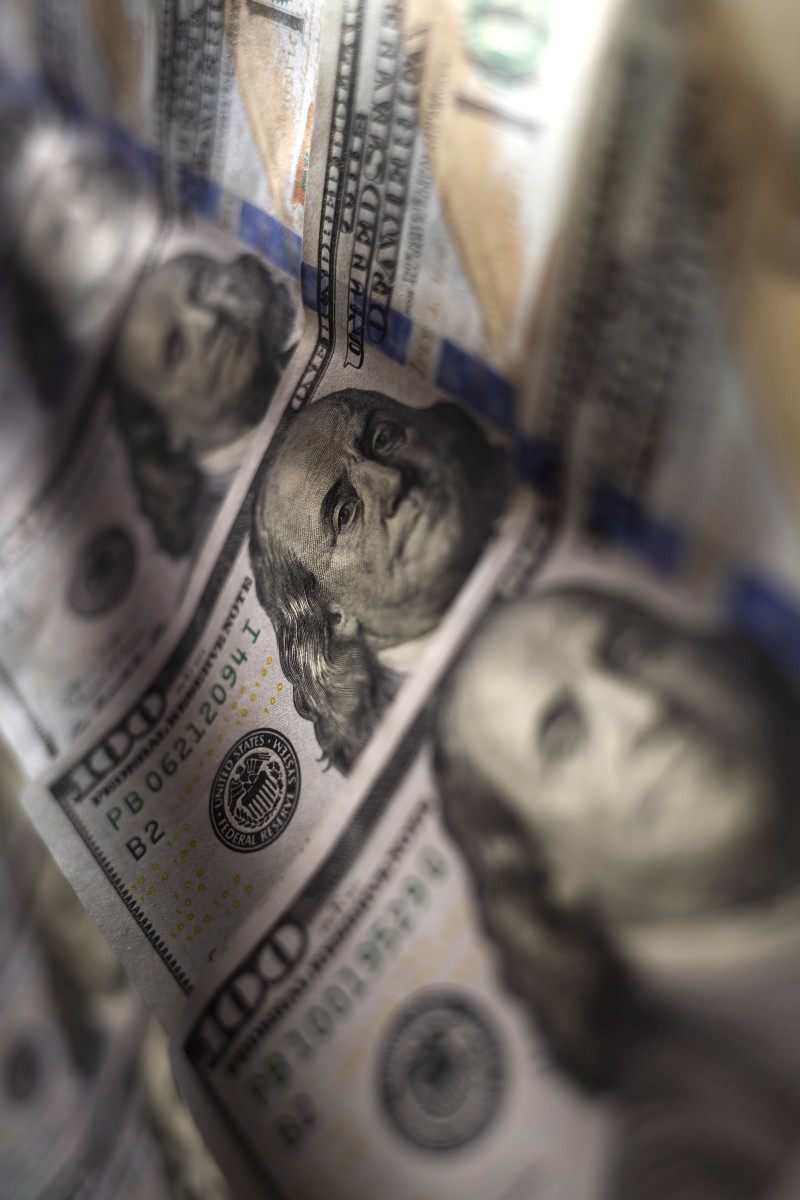
When we say global trading currency, we mean the cash that greases world commerce. The dollar does that job. It’s also the safe haven where central banks park savings. It’s wild that one country’s paper holds this much sway - but the numbers don’t lie.
WSJ: 90% of trade runs on dollars
Bretton Woods: How the Global Trading Currency Got Crowned
The dollar’s throne was set at a 1944 meeting in Bretton Woods. Forty-four countries created the IMF and World Bank. They pegged to the dollar, and the dollar was convertible to gold at $35 an ounce. This brought stability after the 1930s currency wars where nations devalued to cheat each other.
By the 1960s, the U.S. didn’t have enough gold to back foreign dollars. In 1971, Nixon severed the gold link. Old system ended. By 1973, floating rates arrived. Nixon said a currency reflects its economy. He was right: trust, not metal, now props up the dollar.
Bretton Woods made the dollar ‘as good as gold’ in practice. Governments stored gold in U.S. vaults to avoid shipping risk. The dollar became both substitute and claim on gold. That built the base for today’s global trading currency role.
What Keeps the Dollar Atop the Global Trading Currency
The IMF lists eight reserve currencies; the dollar leads. It’s a huge chunk of forex reserves. China holds the most foreign cash - over $3 trillion - but that doesn’t dent the dollar’s lead. Japan is next at ~$1.1 trillion. India, Russia, Saudi, Switzerland, Taiwan sit on big piles too.
The U.S. Treasury market is the deepest, most liquid bond market on earth. That’s why the dollar is king. Oil is priced in dollars. Some economies still peg to it. Stable value plus U.S. geopolitical weight = moat.
"It’s more helpful to think of U.S. treasuries as the world’s leading reserve asset," says CFR’s Brad W. Setser. "It’s hard to compete with the dollar if you don’t have a market analogous to the treasury market."
The U.S. itself holds a smaller reserve pool - ~$244B including $36B in foreign coins. Privilege runs both ways. Global trading currency status lets the U.S. borrow cheap and wield sanctions. No other debt market comes close to the $22.5 trillion Treasury space.
The Exorbitant Privilege
A French official coined ‘exorbitant privilege’ in the 1960s for the dollar’s role. Translation: the U.S. borrows easy and slaps sanctions. Demand for dollar reserves lets us sell bonds cheap. Some say the gain is small - other rich nations borrow low too.
Ben Bernanke wrote in 2016 that the privilege isn’t huge now. He noted the U.S. share of global GDP slipped as euro and yen rose. Fair point. But the dollar still rules. The phrase captures how one nation’s money gives free rein few others enjoy.
Trade deficits grew as the world wanted dollars. That helped the U.S. fund spending cheaper. But the edge fades if debt keeps climbing. Slow grind, not sudden fall, is the likely path for the global trading currency.
Fiat Money: The Post-1971 Shift
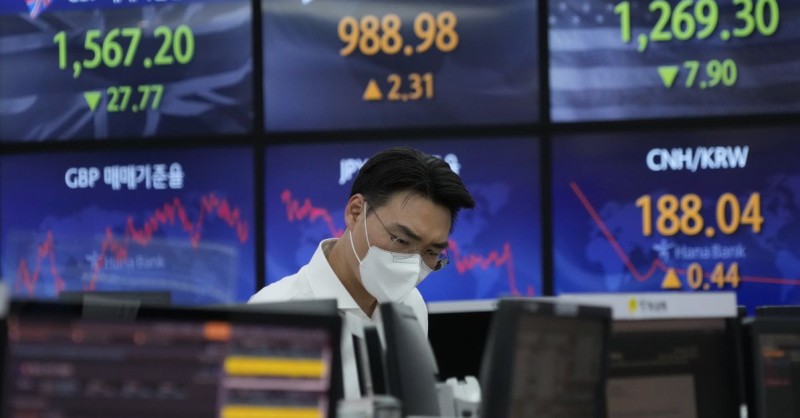
After Nixon dropped gold, we got fiat money - cash by government decree, not backed by metal. It relies on trust. Gold forced spending limits; fiat removed them. New weak spots for the world to trip on.
Three big changes from fiat system
- Governments can print to cover deficits, no natural cap.
- Currency became a weapon via sanctions and bank cuts.
- Float rates led to races to weaken money for trade edge.
But fiat helped weak states. Ecuador adopted the dollar in its 1999 crisis to steady things. A fiat link can be a life raft. The shift to decree cash let weaker places adopt a stable coin without a strong banking system.
The fiat era brought a paradox: America had to flood the world with dollars while keeping fiscal sense. Gold enforced discipline by limiting spend to metal. Without it, the system leans on trust in U.S. policy. That trust is the soft glue of the global trading currency.
Forex basics: how retail traders bet currencies
Threats: U.S. Debt and Policy
Some U.S. moves shook faith in the dollar. Tariff fights broke old trade patterns. Peacetime deficits near 6% of GDP, debt over 100% of output. Many watchers say that’s unsustainable.
Attacks on Fed independence scare markets. If the Fed loses grip, inflation rises, long rates climb. U.S. debt ballooned to ~$36 trillion. Even brief debt-ceiling breaks could spark recession and shock global markets.
Yet no other land matches U.S. market size and access. The dollar remains the default global trading currency for now. Investors flee to Treasuries in storms, though some peek at gold/silver as hedges. Slow erosion of fx value is real, not a crash.
De-Dollarization and the Pain of Sanctions
Ukraine war renewed talk of the dollar falling. Past death calls after 2008 didn’t pan out. But sanctions show the dollar’s power: almost all dollar trade can be blocked by U.S. rules via correspondent banks with Fed accounts.
After Russia’s 2022 invasion, sanctions froze $300B in Russian central bank assets. Setser says if the dollar weren’t so used, sanction reach drops. But Yellen warns overuse hurts hegemony. Steil compared it to overprescribing antibiotics.
"Sanctions are an effective tool, but we have to be careful," CFR’s Benn Steil told NPR. "It’s like over-prescribing an effective antibiotic. It encourages the development of new strains of bacteria that are resistant to the antibiotic."
BRICS nations ask why they can’t trade in own currencies. China now does near half its trade outside the dollar. ~80 countries try local currency pacts. Real shift, not talk. The global trading currency faces quiet cracks at the edge.
Countries with large reserve holdings
- China holds more than three trillion dollars in foreign cash.
- Japan sits in second place near 1.1 trillion.
- India, Russia, Saudi Arabia, Switzerland, Taiwan hold big sums.
- The U.S. itself keeps a smaller pool around 244 billion.
The Rivals: Other Money Trying to Compete
The euro is the second choice - ~1/5 of reserves. EU has size but no single bond market. Renminbi only 3%, held back by capital controls. China’s Liu says they don’t aim to dethrone the dollar. Euro’s share is about a third of the dollar’s, lacks common treasury.
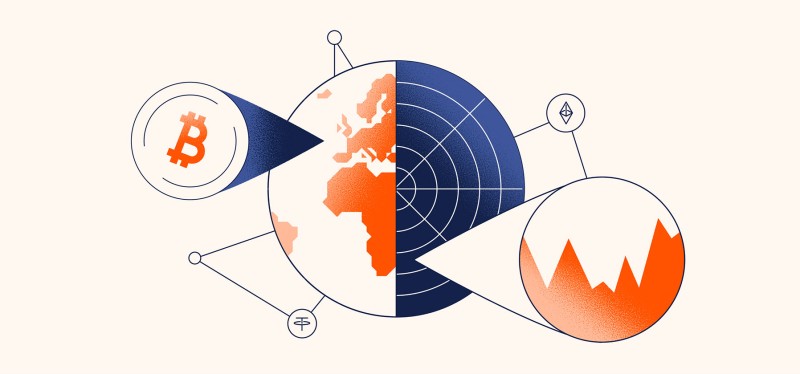
Some look at IMF special drawing rights - a basket of five currencies. Others dream of crypto. Tech bros want Bitcoin to replace state cash. In El Salvador, crypto is legal tender . But wild swings hurt use. SDR could grow if it acted like real money, but U.S. veto blocks that.
The U.S. skips a CBDC but pushes private stablecoins. Most a stablecoin prototype ties to the dollar and holds Treasury debt. I see U.S. crypto coin rules favoring these. the best stablecoin to buy depends on trust. Also crypto markets react to these shifts. crypto’s value stays shaky. Even crypto company stocks moves with news. And what’s up with crypto markets matters for dollar rivals. crypto news today shows tests of blockchain for payments.
Central bank digital coins are in works in China, EU, UK. They can clear cross-border pay without the dollar. U.S. bets on private stablecoins to keep dollar use high. But those lack official guarantee. Gap could bite if trust slips. The global trading currency may face tech rivals, but they’re green.
Gold-Backed Talk and Its Flaws
BRICS holds ~5,700 tonnes of gold. They pitch a ‘Unit’ coin partly gold-backed. 40% gold adds scarcity. But gold systems bring deflation risk. The 1870s gold rush caused a long slump that hammered debtors.
Problems with a gold-backed unit
- Need safe cross-border gold storage and trust.
- Gold price swings make the unit hard to steady.
- Member nations have clashing economic rules.
- Russia's sanctions and China's weight scare peers.
Modern debt is huge; falling prices make real debt worse. Central banks need flex to cut rates in crises. Gold link kills that tool. Gold is a diversifier, not a full fix. BRICS gold idea faces legal gaps in SA and Egypt.
Historically, gold ties caused boom-bust. Germany’s gründer boom then crash showed it. Today’s linked markets would amplify swings. A pure gold return is a pipe dream, not a plan.
Why nations trade: imports, exports, dependence
Reverse Currency Wars

Sometimes the dollar surges and others want stronger cash to fight inflation. That’s a reverse currency war, unlike the old race to weaken. In early 1980s, Volcker’s hikes boosted dollar, hurt partners. Today Fed hikes pull capital, lift greenback.
Floating rates let each land set its own policy. But poor nations with dollar debts suffer when greenback rises. Mexico’s 1982 crash is a warning. Weaker guys get squeezed. A 2013 G7 pact stopped outright cheapening, but reverse fights loom when inflation stays hot.
The term currency war popped in 2010 from Brazilian leaders mad at U.S./Japan easing. Now complaint is dollar rises via rate gaps, not direct action. Shows how linked the global trading currency is to every home rate call.
Hedging the Dollar Risk
Investors worry as dollar wobbles. Some use currency hedges. Static hedges at 0, 50, 100% common. Costs depend on rate gaps. For yen, hedging ate half the return. Unhedged worked best for Japanese investors risk-adjusted.
Ways to handle currency risk
- Static hedge with fixed ratio.
- Flexible hedge that shifts with signals.
- Go unhedged if your cash is a safe haven.
- Dividend-focused foreign funds with hedging.
WisdomTree fund DDWM used flexible hedging for a decade with good annual return. Money flowed to ex-U.S. equity funds. Weak dollar helps European/Japanese firms. Checks Chinese exports too. No single hedge fits all pairs.
Surveys show slow diversification from dollar, not a rush. Greenback weakened in a stress spell, breaking safe-haven norm. That odd move pushed investors to study crypto gains tax and other alt stores. But for most portfolios, the global trading currency still anchors.
The Costs of a Strong Dollar
A mighty dollar makes imports cheap, exports pricey. Kills jobs in factory towns. Pettis argues world would gain from less dominant dollar. Currency rigging by others to keep exports cheap hurts U.S. When a country holds its coin down by buying dollars, its goods win.
"Both the United States and the world at large would benefit from a less dominant U.S. dollar," writes Michael Pettis, professor of finance at Peking University.
But some say exporter losses balanced by importer gains. Net mixed. Still, imbalance stings Rust Belt. Dollar’s outsize role means others don’t feel export relief when their cash drops. Twists trade flows.
COVID brought resurgence in currency manipulation - Switzerland and Taiwan buying dollars to weaken themselves. Keeps the global trading currency propped even when logic says otherwise. I watch this as a quiet tax on fair trade.
What the Future May Bring
Most experts say dollar won’t be knocked off soon. More likely it slowly shares stage. Faster if sanctions overuse and U.S. finances rocky. Co-dominance like sterling/dollar once is best to avoid turmoil. Pound-to-dollar shift was messy when U.S. refused to ease.
If dollar loses reserve status, U.S. loses cheap borrowing. Could hurt social programs. Liu notes non-dollar system might ignore human rights. Sobering. Rules change under new lead.
"We don’t want to do business with child labor or human rights abuses. But in a different system, perhaps some of those values would be more likely to be ignored," Liu says.
Bergsten thinks smaller dollar role could curb U.S. profligacy that fed 2008. Multipolar reserve with euro, renminbi, SDR spreads risk. But euro area hesitates to take global job. Gap could breed instability if dollar slips fast.
The Global Trading Currency: My Plain Take
I’m just one guy reading this stuff, not a guru. The dollar as global trading currency has a huge lead built over decades. Threats real but no clear replacement ready. Euro has limits, renminbi controlled, gold has deflation traps. Crypto plays at the edge.
Watch the debt and sanctions use. Those erode trust faster than any rival. For now, dollar remains default global trading currency, and I’d bet on that a while. But don’t skip hedging if you hold foreign stocks. Keep an eye on stablecoin pick news as a small signal.
The story isn’t tidy. Slow share loss more likely than sudden fall. I’ll keep posting clear notes as I read more. The global trading currency game is the biggest money tale of our time, far from over.

Comments on “The Global Trading Currency: Can the Dollar Defend Its Throne?”
No comments yet. Be the first to share your thoughts.