How Stablecoins Work: A Stablecoin Example for People Who Hate Volatility

What a Stablecoin Example Is
Let’s talk about a stablecoin example that proves crypto can be calm and useful. A stablecoin is a digital coin engineered to hold a steady price. It’s typically pegged to a real asset - the U.S. dollar or gold. When you ask what a stable coin is in crypto , the plain answer: it’s a coin that doesn’t whip around like Bitcoin. I think of what a cryptocurrency really is in broad terms, then treat stablecoins as the chill cousin that stays put. A solid stablecoin example is a token pinned at one buck, so you can spend or save it without the white-knuckle swings. Translation: blockchain speed with the stability of actual money.
My goal: break this down without the MBA jargon. The phrase stablecoin example means I’ll show real cases - USDC, USDT. These coins power payments, savings, and cross-border transfers. They’re also the on-ramp to DeFi. You don’t need to be a developer to get it. The steady price is the whole ballgame; it’s what makes them fit for daily use. Below we’ll walk through types, issuers, risks, and how normal people actually use them. A stablecoin example can be as simple as a dollar token on your phone.
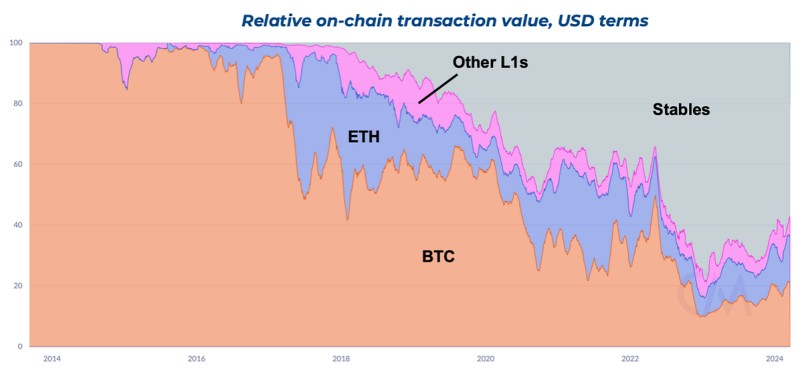
I care because I watch friends freeze at crypto charts that look like a heart attack. A stablecoin example is their safe on-ramp. The data shows stablecoins now account for most crypto volume. Translation: they’re not a side toy, they’re the workhorse. So I’ll keep the prose short and the ideas clear. If the source is fuzzy, I’ll say so in plain English.
Stablecoins Explained in Four Minutes
How a Stablecoin Holds Its Value
A stablecoin holds its price by tethering to something solid. Most link to cash or short-term government debt. That link is called a peg. If one coin equals one dollar, the issuer should hold one dollar in reserve for every token in circulation. That’s how a stablecoin example stays calm while the rest of crypto swings wild. The blockchain logs every move, so you can verify it. Some use gold or a basket of assets instead of dollars.
Ways to keep the peg
- Hold cash or near-cash for each token
- Use gold or oil as backup
- Take extra crypto as safety margin
- Adjust supply with code rules
- Back with U.S. Treasuries and repos
The peg is only as good as the proof behind it. Issuers publish reports or get audits. Circle does weekly attestations for USDC. Tether discloses its reserve mix. If the proof is thin, the stablecoin example breaks. That’s why I tell readers to check who backs the coin. A clear peg method helps you sleep at night - and lets shops accept it for coffee or rent.
Kinds of Stablecoins
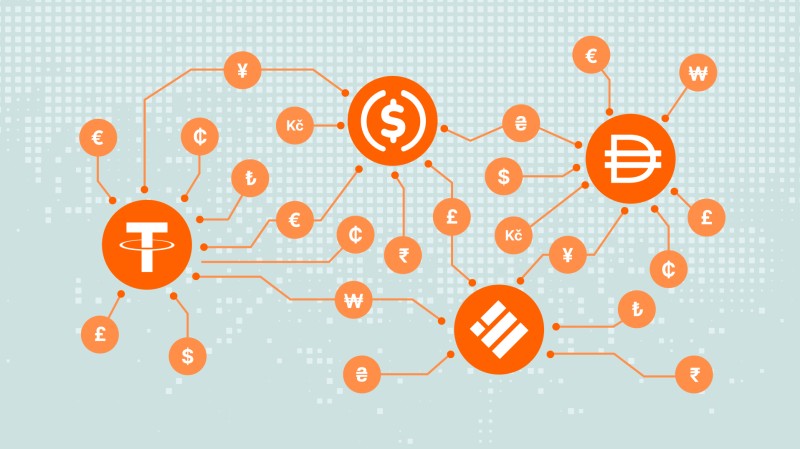
A few main types you should know. Each type is a different stablecoin example in action. Some simple, some complex. I’ll list them so you see the spread. The source splits them by what backs the coin - that helps you pick the right one for your needs.
Main types of stablecoins
- Fiat-backed: tied 1:1 to dollars, like USDC and USDT
- Commodity-backed: tied to gold or oil, like PAXG and XAUT
- Crypto-backed: backed by other coins, like DAI from MakerDAO
- U.S. Treasury-backed: held in gov securities, like USDY and USYC
- Algorithmic: supply changes by code, like Frax and Ethena USDe
A stablecoin example from the fiat group: USDC, minted by Circle. For every USDC, they hold cash and Treasuries. Commodity coins let you hold a gram of gold without a vault. Crypto-backed ones lock up more crypto than the coin’s value to cover drops. Treasury-backed pay yield from the debt. Algorithmic ones have no hard backup and rely on code - risky, as we’ll see. Knowing the type is step one before you buy.
Big Stablecoin Issuers
A handful of companies mint most of these coins. Tether makes USDT - the largest by a mile. Circle makes USDC, widely used in DeFi. Paxos issues USDP and PayPal’s PYUSD. Ripple has RLUSD for institutions. Ondo and Hashnote offer treasury-backed tokens. When you wonder which stablecoin is worth buying , look at who stands behind it and how they prove reserves. A stablecoin example is only as safe as its issuer.
Top issuers and their coins
- Tether: USDT, cash and Treasuries, largest market cap
- Circle: USDC, weekly attestations, strong compliance
- Paxos: USDP and PYUSD, monthly proofs, PayPal tie
- Ripple: RLUSD, 1:1 USD in segregated accounts
- Ondo: USDY, pays yield from Treasuries
The issuer business is high-margin. Take fiat, mint tokens, earn the risk-free rate on reserves. Tether proved this with massive profit and a tiny team. Exchanges demand a cut of that interest. Branding deals let projects launch their own coin, like Aave’s GHO. For the average user, the key is whether the issuer is transparent and regulated. I prefer coins with regular public reports.
Why Folks Use Stablecoins
The benefits are real for daily life. Send money fast, any day, low fees. No bank hours blocking you. The public ledger shows clean records. The unbanked can use a phone wallet. This is what crypto is actually used for in plain terms: moving value without friction. Many see it as a a global trading currency that doesn’t care about borders. A stablecoin example makes cross-border trade easy.
Stablecoins combine blockchain transparency, speed, and programmability with financial stability needed for everyday use.
They help in places with high inflation or strict capital controls. Locals want a reliable dollar proxy. The coin trades at a small premium there because demand is fierce. Merchants in Western Europe use them heavily for payments. Retail transfers under $1 million drive growth. The quiet win: access for the unbanked. A phone and a stablecoin example beat a far-off bank branch.
Animated Guide: How Stablecoins Stay Pegged
A Stablecoin Example in Real Use
Let me give a clear stablecoin example. Say you live where inflation eats your local money weekly. You buy USDC, pinned at one dollar. Save it or send to family abroad. Sending $200 from Africa via stablecoin costs about 60% less than legacy wire services. Huge win for a worker sending remittances. This stablecoin example explains why Latin America and Africa adopt them yearly.
Another stablecoin example: a shop taking USDT for goods. Avoids card fees, gets funds in seconds, cashes out to local money later. Cross-border moves that took days now take minutes. In emerging markets, the value is capital preservation, not yield. The coin acts like a dollar in your pocket. Powerful for normal families. Not about crypto bros; it’s about rent and food.
Market Size and Growth
The scale is big. Stablecoins make up more than two-thirds of all crypto transaction volume. Total market near $160 billion. Small transfers under $1 million dominate. Latin America and Sub-Saharan Africa grow fast - above 40%. Eastern Asia and Europe follow. Where local money is weak, stablecoins trade at a small premium because people want a steady dollar proxy. This isn’t a fad.
More than two-thirds of total cryptocurrency transaction volume comes from stablecoins.
Analyst estimates: a float of $300B–$500B could pull stablecoins into normal banking. Retail-sized moves lead. Research graphs show merchant share in Western Europe between 60% and 80%. I read those charts - steady climb, not a spike. A stablecoin example like USDC grows because it works. The numbers tell a plain story: people want steady digital cash.
Rules and Regulation

Governments are stepping in. The EU’s MiCA framework splits tokens into two classes, forces issuers to get licenses and show reserves. Singapore labels approved single-currency coins. Hong Kong runs pilots. Japan requires issuers be banks or trust firms. The U.S. uses many agencies; a proposed law demands 1:1 reserves and bans pure algorithmic models. Clear rules help normal users.
Where rules stand
- EU: license and publish reserves for issuers
- Singapore: label for approved single-currency coins
- Hong Kong: sandbox for stablecoin pilots
- Japan: strict bank-like reserve rules
- U.S.: proposed 1:1 reserve and audit law
The proposed U.S. law: issuers above $10B face federal oversight; smaller stay state-regulated. Anti-money rules apply. Matters because a stablecoin example you hold may be frozen if tied to crime. Decentralized coins lack that control. I’m not a lawyer, but the source shows a shift from reactive scrutiny to full frameworks - should cut risk for everyday users.
Risks to Know
No tool is perfect. Stablecoins can lose their peg. Exhibit A: TerraUSD in 2022, failed because it was purely algorithmic. Bad actors use them for laundering - though less than 1% of activity. Centralized issuers can freeze tokens. Bank runs happen if trust breaks. Check the backing before holding a large sum. A stablecoin example with weak proof can hurt you.
Historical failures like TerraUSD demonstrate the perils of purely algorithmic models.
Risk points to watch
- De-pegging from the asset
- Illicit use by few bad actors
- Issuer can freeze your funds
- Reserve proof may be weak
- Yield coins may pull bank deposits
Another risk: regulatory arbitrage. If issuers park reserves in bank deposits, those may count as unreliable under liquidity rules - twists the system. Pay attention to backing type. A fiat-backed stablecoin example with daily proofs is safer than an unproven code-only coin. Use common sense; don’t put life savings in what you don’t understand.
Wallets and Safety
You need a place to store coins. Non-custodial wallets like MetaMask give you the keys. Custodial exchange wallets are easy but carry risk. For big holdings, use hardware wallets. Turn on two-factor auth. Update software. Guard your recovery phrase like cash. These steps keep your stablecoin example safe from thieves.
Safety tips
- Use hardware wallet for large sums
- Enable two-factor authentication
- Update wallet software often
- Never share recovery phrase
On-ramps convert fiat to stablecoins via bank or card. Pick licensed providers. Off-ramps reverse it. In many places, coins are treated as money or securities - know local rules. I keep most tokens in a non-custodial wallet, leave spend cash on an exchange. That balance works. A stablecoin example is only useful if you control the keys when it counts.
CNBC: Stablecoins, TerraUSD Crash, Tether Scrutiny
Buying and Cashing Out
Getting coins is simple via licensed on-ramps. You can swap cash for crypto through bank transfer or card. To find where to buy these tokens , check a top-100 crypto exchange list and pick one with good reviews. When you need paper money, learn how to flip crypto back to cash using the same ramps in reverse. Follow local rules and tax notes. A stablecoin example like USDC sells on most big platforms.
Start small. Buy $20 of a fiat-backed coin, move to your own wallet. See how the peg holds. Try a small send to a friend. This hands-on stablecoin example teaches more than any chart. If the app asks for ID, that’s normal under compliance. Don’t skip it; protects you and the network.
Earning Yield with Stablecoins
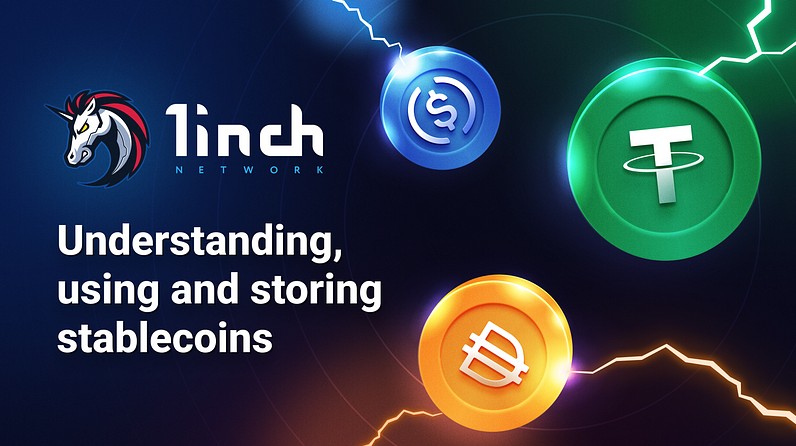
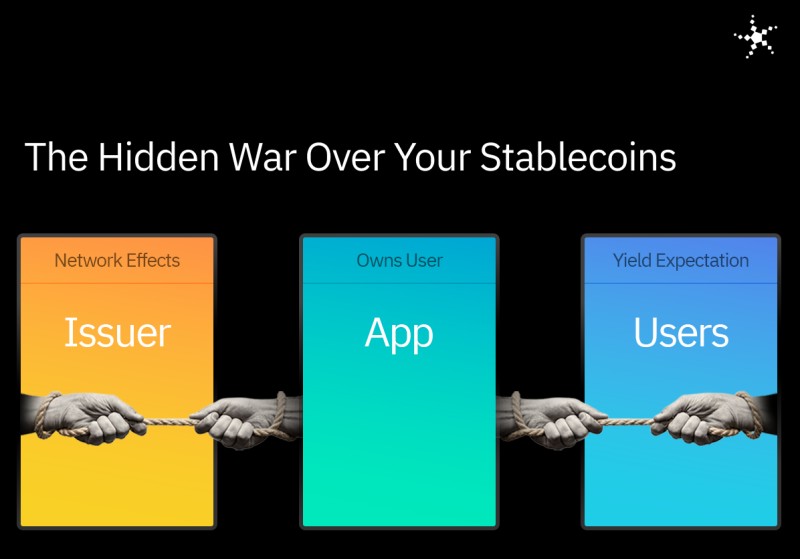
Some coins pay yield. In developed markets, people expect ~4% on digital dollars. This is like high-yield crypto savings accounts. Issuers earn from reserves, may share with apps. Watch counterparty risk. Read the APY and tax notes. A stablecoin example with yield: USDY from Ondo, backed by Treasuries.
User pressure for yield can erode issuer profits unless they share revenue. Apps like Coinbase have taken all interest on held USDC in the past. In high-inflation areas, yield matters less than keeping value. There, a stablecoin example without yield still wins. The market fits different needs. Compare offers, know who holds backing. If it sounds too good, step back.
Effect on Banks
Yield-bearing stablecoins could pull cash from banks. Research: each dollar of stablecoin adoption may cut bank deposits by a dollar once spread. If market hits $4 trillion, lending could shrink a lot. But some say the threat alone pushes banks to gather more deposits. Interesting tug-of-war. Either way, users gain options. A stablecoin example that pays yield changes where people park savings.
If stablecoins reach a huge float, bank deposits could fall by roughly that amount, with a net reduction in lending.
One economist estimates a more modest hit depending on issuer access to Fed accounts - range tens of billions to over $1 trillion. Regulatory arbitrage may let issuers park reserves in banks, yet those funds can’t be used for loans. Twists the old bank model. Not sure who wins, but source shows real shift. Keep an eye on this if you care about loan rates.
What Thinkers Say
Experts debate stablecoins. Some call them unregulated bank deposits. Others compare to old wildcat banknotes. A former chief says they may weaken sanctions if issued by rogue entities. A Fed governor notes most reference the dollar, boosting its role. A past comptroller argues they help keep the dollar top. Quick list of those views from the source:
Five views
- Grey: fold into banking charter to avoid shadow crisis
- Gorton & Zhang: like wildcat money, fails money test
- Massad: national security lens, Eurodollar successor
- Waller: reinforces dollar dominance as crypto-dollarized
- Brooks: stabilizes dollar as global reserve
The dollar point is striking. Over 99% of stablecoins reference the U.S. dollar. So crypto activity boosts the greenback. A stablecoin example like USDT is basically a digital dollar. Ties crypto world to U.S. policy. Love it or not, it’s fact from data. Thinkers disagree on control, but agree the peg matters.
What Comes Next
Stablecoins keep moving into normal finance. Banks use them for settlement. Central banks watch to design their own digital money. Layer-2 tools help scale. Rules mature worldwide. For poor banking areas, this is a path to dollar savings and global markets. I’ll keep watching and share what I learn. A stablecoin example today may be the default money tomorrow.
Source shows more integration with trad finance each cycle. Cross-chain bridges cut fragmentation. Standard protocols may appear. Financial inclusion grows where banks are thin. The steady coin is here to stay. It doesn’t hate you with 10% drops. That’s why I wrote this plain guide. Use the ideas, check facts, pick a stablecoin example that fits your life.


Comments on “How Stablecoins Work: A Stablecoin Example for People Who Hate Volatility”
No comments yet. Be the first to share your thoughts.