How Exchange Traded Funds Work: Benefits, Types, and Portfolio Tips

What Are Exchange Traded Funds
ETF stands for exchange traded fund. Think of it as a basket that holds a bunch of investments - stocks, bonds, commodities, currencies, property securities, or a mix. You buy shares in the fund instead of buying each piece yourself. It trades on a stock exchange all day long, price moving tick by tick just like Apple or Tesla shares. The Carson overview called them pooled investments that help diversify and manage risk. That's the core idea. One ticket, many rides.
I've seen folks confuse ETFs with mutual funds or index funds. They're cousins, not twins. An ETF trades intraday. A mutual fund prices once at the close. An index fund is a strategy - track an index - and it can wear either wrapper. The SPDR S&P 500 ETF is the classic example. You buy it, you own a slice of five hundred large US companies. Done.
Bloomberg Explains What An ETF Actually Is
How ETFs Trade and Price
You buy and sell during normal exchange hours through a brokerage account. Market orders, limit orders, stop orders - all the usual tools. Price fluctuates with supply and demand, usually hovering near the fund's net asset value (NAV). NAV is what the underlying assets are worth. Sometimes the market price drifts away from NAV, but arbitrage keeps it close. Unlike a mutual fund, you don't wait for end of day. You can react to news at 10:15 AM if you want. That flexibility matters for traders. For long term holders, it's just convenient.
Liquidity depends on two things: how heavily the ETF itself trades, and how liquid the underlying assets are. Big broad market ETFs trade millions of shares daily with tight spreads. Niche thematic funds can be thin. Thin means wider bid ask spreads and higher trading costs. The Freedom Advisors piece noted ETFs are generally liquid - easier to exit than real estate or private equity. But liquid doesn't mean safe. You can still lose money fast in a crash.
ETFs are often described as liquid because they trade on exchanges. Some ETFs have multiple market makers, which are firms or traders that stand ready to buy or sell shares.
Main Types of ETFs
The menu is massive. Index ETFs are the most common - they track a benchmark like the S&P 500, Nasdaq 100, or ASX 200. Broad equity ETFs give you the whole market or a big chunk of it. International ETFs add geographic diversification outside your home country. Sector and industry ETFs zero in on tech, healthcare, energy, financials, utilities. Fixed income ETFs hold bonds - government, corporate, high yield, inflation linked, floating rate. Property ETFs wrap REITs and real estate securities. Commodity ETFs cover gold, oil, agriculture, industrial metals, livestock. Currency ETFs play foreign exchange. Alternative ETFs package hedge funds or private equity. Style ETFs split growth vs value. Thematic ETFs bet on trends like clean energy or cybersecurity. Active ETFs have managers picking stocks. Smart beta ETFs use rules based factors - value, momentum, quality, low volatility. Leveraged ETFs multiply daily returns (and losses). Inverse ETFs move opposite the index.
ETF Categories at a Glance
- Broad market index ETFs (S&P 500, total market)
- Sector and industry ETFs (tech, healthcare, energy)
- International and regional ETFs
- Fixed income ETFs (government, corporate, high yield)
- Property and REIT ETFs
- Commodity ETFs (gold, oil, agriculture)
- Currency ETFs
- Alternative asset ETFs
- Style ETFs (growth, value)
- Thematic ETFs (clean energy, AI, biotech)
- Active ETFs
- Smart beta factor ETFs
- Leveraged and inverse ETFs
Australia has had ETFs since 2001. Over 200 listed on the ASX with more than $40 billion combined. Vanguard, BlackRock, State Street Global Advisors dominate. The Indian market uses Nifty and Sensex indexes. The structures vary but the concept stays the same - one trade, many holdings.
Physical vs Synthetic Replication
This matters. Physical ETFs own the actual securities in the index. Transparent, straightforward. Synthetic ETFs use swaps and derivatives to replicate the index without holding every stock. Useful when the index has tiny illiquid names, or tax and legal hurdles make physical ownership a pain. But synthetic adds counterparty risk - the swap dealer could blow up. The DIY Investor material flagged this: physical replication gets expensive or impossible with many small caps, different time zones, conflicting tax rules. Synthetic solves access but brings derivative complexity. Pick your poison.
Synthetic replication means the fund does not directly own all of the underlying securities and instead uses derivatives, swaps, or a third-party arrangement to obtain exposure to the index's performance.
Three Checks Before You Buy Any ETF
Costs: What You Actually Pay
ETFs are cheaper than active mutual funds generally. But not free. The total expense ratio (TER) is the annual fee as a percentage of assets. A 0.03% TER on a broad S&P 500 fund is basically noise. But total cost of ownership (TCO) adds brokerage commissions, bid ask spreads, exchange fees, market impact, platform fees, tax drag, currency conversion costs. The ICFM overview warned frequent trading racks up commissions and spreads that eat returns. A low TER fund that trades by appointment only can cost more in practice than a slightly pricier but liquid alternative. Compare the full picture.
Cost Components to Check
- Total expense ratio (TER)
- Bid ask spread
- Brokerage commission
- Trading volume and market depth
- Platform or account fees
- Currency conversion costs for international ETFs
- Tax efficiency of the structure
Fees vary wildly even for funds tracking the same index. One S&P 500 ETF charges 0.03%, another 0.09%. Over decades that gap compounds. Do the math.
Tax Efficiency: The Quiet Advantage
ETFs tend to distribute fewer capital gains than mutual funds. The creation redemption mechanism lets them shuffle shares without selling underlying positions. Mutual funds often pass realized gains to all shareholders - even if you just bought yesterday. ETFs mostly let you decide when to realize gains by selling your own shares. But tax outcomes depend on your country, the fund's domicile, its structure, whether it distributes or accumulates income, your account type (taxable vs tax advantaged). The Australian material says ETFs generate fewer capital gains taxes than traditional managed funds. UK investors can shelter ETFs in ISAs and SIPPs. US investors use IRAs and 401ks. Read the prospectus. Talk to a tax pro. Don't assume.
ETFs often generate fewer capital gains than traditional mutual funds. This can reduce taxable distributions in some jurisdictions, although tax outcomes vary.
Benefits That Matter
Diversification in one click. A total market ETF holds thousands of stocks across sectors and countries. One bad earnings report barely moves the needle. Intraday trading flexibility - you control entry and exit timing. Lower costs than active funds, usually. Tax efficiency in many jurisdictions. Variety - you can build almost any portfolio from the building blocks. Access to markets you'd never reach alone - emerging market bonds, Japanese small caps, uranium miners. Income from dividends and interest. Transparency - most publish holdings daily or monthly. Beginner friendly - one purchase, instant diversification. But beginner friendly doesn't mean risk free. You still need to understand what you own.
Core ETF Benefits
- Instant diversification across hundreds or thousands of securities
- Intraday liquidity and price transparency
- Lower expense ratios than most active mutual funds
- Tax efficient structure in many jurisdictions
- Access to global markets, sectors, and asset classes
- Income generation from dividends and interest
- Daily or monthly holdings transparency
- Suitable for small accounts - buy one share
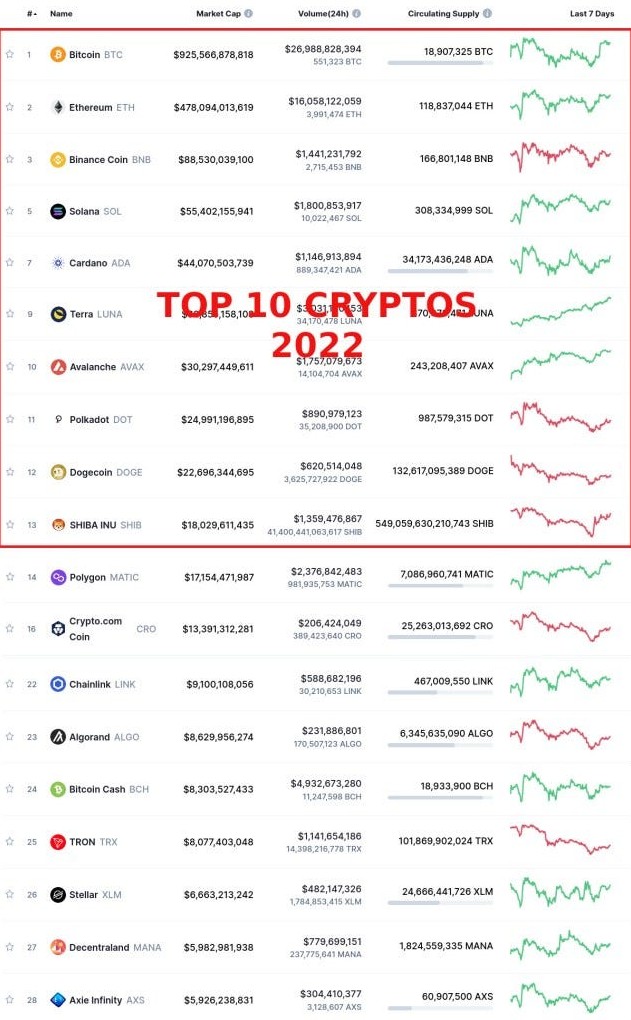
Some investors look at crypto ETF options for digital asset exposure without holding coins directly. The biggest funds in this space track bitcoin futures or hold the actual asset. Vanguard has stayed out so far, but other majors have launched products. If you're curious about getting started with digital assets , an ETF wrapper handles custody and tax reporting. Just know the tracking can deviate from spot during volatile periods.
Risks You Can't Ignore
Market risk - everything falls together in a bear market. Diversification doesn't save you from systemic crashes. Sector concentration risk - a tech ETF tanks when tech tanks. Interest rate risk - bond ETFs drop when rates rise, especially long duration. Currency risk - foreign assets lose value in your terms if their currency weakens. Currency hedged versions exist but cost more and aren't perfect. Counterparty risk - mainly for synthetic ETFs and exchange traded notes (ETNs). The Australian material contradicts itself here: says ETFs are open ended trusts without counterparty risk, then describes counterparty risk as provider default risk. Read the structure. Tracking error - the fund won't match the index exactly. Fees, cash drag, transaction costs, replication method all create gaps. The DIY Investor example showed a 1.2 percentage point annual drag. Passive funds don't defend - they ride the index down. Active managers might hedge, but most underperform anyway. Bundled investments - you can't kick out the tobacco stock or the fossil fuel name inside a broad ETF. Limited control - it's a package deal. Information overload - thousands of funds with cryptic names. Leverage and derivative risk - leveraged and inverse ETFs reset daily, making them toxic for holding beyond a day. No guarantee of performance - past returns don't predict future.
An ETF's diversification reduces concentration risk, but it does not eliminate market risk.
ETFs vs Mutual Funds vs Index Funds
ETFs trade all day. Mutual funds trade once at NAV after close. Most ETFs are passive index trackers; some are active. Most mutual funds are active; some are index funds. ETFs usually have lower expense ratios. ETFs are more tax efficient in taxable accounts. ETFs have no minimums beyond one share price (plus any broker minimums). Mutual funds often have $1,000 to $3,000 minimums. ETFs support limit and stop orders. Mutual funds don't. An index fund is a strategy - track an index. It can be an ETF or a mutual fund. Compare the actual costs, tax treatment, liquidity, and minimums. Don't worship the wrapper.
Key Differences
- Trading: ETFs intraday, mutual funds end of day
- Typical management: ETFs mostly passive, mutual funds mostly active
- Cost: ETFs generally lower TER
- Tax efficiency: ETFs usually better in taxable accounts
- Minimums: ETFs one share, mutual funds often higher
- Order types: ETFs support limits and stops
Explainity's Animated ETF Definition In Two Minutes
Tracking Difference and Performance
Tracking difference is the gap between ETF return and index return. Usually negative - fees and costs. Tracking error measures variability of that gap. The DIY Investor example: index up 8%, ETF up 6.8%, tracking difference -1.2%. A single year tells you little. Markets rise and fall. A fund can "outperform" in a down market just by holding cash. Look at multiple years. Compare to the stated benchmark. The ICFM overview listed expense policies, admin costs, investment strategies, cash holdings, transaction costs, rebalancing, tax effects, and replication method as drivers. Synthetic funds add swap costs and financing. Don't obsess over a few basis points, but don't ignore a fund that consistently lags by 50+ bps.
Building a Portfolio with ETFs
The DIY Investor material identifies five asset classes: cash, bonds, property, equities, commodities. Mix them based on goals, time horizon, risk tolerance, existing holdings, income needs, tax situation, and stomach for volatility. The EQIS model adds four diversification pillars: asset classes, equity styles (growth value), geographic regions, investment philosophies (passive active factor). Spread bets across all four. Don't just own US large cap growth. The Carson material says longer horizons can tilt toward small caps and tech. Near retirement shifts toward capital preservation - bonds, cash, lower volatility equity. Your allocation should reflect your life, not a model portfolio.
Freedom Advisors described EQIS ETF models using multiple ETFs across strategic, tactical, and income philosophies across five risk tiers from conservative to aggressive. Each model screens funds through due diligence and reviews them ongoing. The principle: match the fund to the role. A core broad market ETF for beta. A factor ETF for tilt. A bond ETF for ballast. A commodity ETF for inflation hedge. Keep the number of tickers manageable so you can actually monitor them.
Choosing the Right ETF
Start with your goal: growth, income, preservation, sector bet, hedge, international diversification. Match risk tolerance - broad market ETFs are less wild than leveraged, inverse, emerging market, or thematic funds. Compare total cost of ownership, not just TER. Check the underlying index and holdings - the name can mislead. A "tech ETF" might be 40% Apple and Microsoft. Review the provider - Vanguard, BlackRock, State Street, Invesco, etc. Reputable, transparent, established. Decode the name - provider, index, regulatory info, share class, domicile, currency, replication method, income treatment. The DIY Investor breakdown helps. Check liquidity - volume, spreads, market makers, price vs NAV. Assess currency exposure - hedged or unhedged. For commodity and derivative funds, understand the structure, roll costs, daily reset mechanics. Read the prospectus. Every time.
Due Diligence Checklist
- Investment objective and benchmark
- Underlying holdings and concentration
- Provider reputation and history
- Total expense ratio and total cost of ownership
- Physical vs synthetic replication
- Tracking difference history
- Liquidity: volume, spreads, market makers
- Tax implications for your jurisdiction and account
- Currency hedging policy
- Leverage or derivative use
- Fit with rest of portfolio
- Ongoing monitoring plan
How to Buy ETFs
Pick a provider - Vanguard, BlackRock (iShares), State Street (SPDR), Invesco, Charles Schwab, Fidelity, and many others. Open a brokerage account - online brokers make it easy. Complete identity and regulatory checks. Choose your ETF using the checklist above. Place the order during market hours - market, limit, stop, whatever fits. Monitor periodically. Rebalance when allocations drift or life changes. Have an exit strategy - know when you'll sell: goal reached, thesis broken, rebalancing, fund closes or changes mandate. The process is simple. The discipline is hard.
Income and Capital Appreciation
ETFs make money two ways: price goes up (capital appreciation) and distributions (dividends, interest). Some funds accumulate - reinvest internally. Others distribute quarterly or monthly. High dividend ETFs can build an income stream. The DIY Investor material noted near zero rates pushed investors toward dividend ETFs for yield. A basket of income ETFs diversifies the income sources. But income isn't guaranteed. Dividends get cut. Bond yields fluctuate. An ETF paying 4% can still drop 20% in price. Total return = price change + distributions. Don't chase yield blindly.
Many ETFs pay dividends and that high-dividend products can be used to build an income portfolio with lower costs than some actively managed funds.
Professional Advice and Final Thoughts

A financial advisor can map ETFs to your full picture - assets, liabilities, income, expenses, goals, risk tolerance, tax situation. Carson Wealth starts with the complete financial picture. The EQIS process emphasizes rigorous screening and ongoing due diligence. You can DIY the checklist: objective, benchmark, provider, fees, replication, holdings, tracking, liquidity, tax, currency, interest rate sensitivity, portfolio fit, periodic review. Read the prospectus. It has holdings, fees, risks, objectives, charges. Past performance doesn't guarantee future results. All investing risks loss of principal. Sector, commodity, leveraged, inverse, and emerging market ETFs carry extra volatility. No strategy assures success.
ETFs are tools. Powerful, flexible, cheap tools. But a hammer doesn't build a house by itself. You need a plan. You need discipline. You need to know what you own and why. The market will test you. The fees will compound. The taxes will bite. But used well, ETFs let ordinary investors build institutional grade portfolios for pennies. That's the deal. Take it or leave it.


Comments on “How Exchange Traded Funds Work: Benefits, Types, and Portfolio Tips”
No comments yet. Be the first to share your thoughts.