
markets crypto: How the Machine Works and What Actually Moves Prices
markets crypto: The No-Jargon Teardown
No Mercy / No Malice on markets crypto. The tagline says markets crypto explained simply. That’s the mission. If price swings and obscure terms confuse you, join the club. I’ll walk through what drives these markets in plain English.
When I first eyed crypto markets, I assumed it was all hype. Wrong. The machine has parts you can learn. The thesis: how markets crypto work and what moves prices. Below, a breakdown without the jargon.
Key point: You don’t need a finance degree. The source material says the same. We’ll hit price formation, order books, and regulation - in everyday language so it actually sticks.
My hope: you leave with a map. markets crypto feel like a storm, but the parts are knowable. Let’s start with the big coin.
XRP 2026 Outlook: Adoption, Legal Clouds Lifting
What Moves Bitcoin Prices
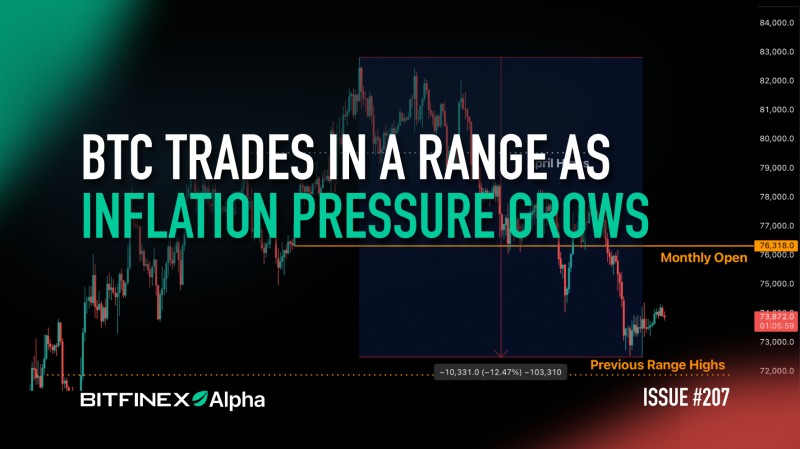
Bitcoin trades range-bound even when macro pushes the other way. In a recent sample, BTC ripped above $82,000, then slid to $72,487 - about 12.5% off its peak. That drop was homegrown, not from outside news.
The 4H chart showed sustained declines as spot demand weakened. This ran counter to rising equity markets. Stocks and coins didn’t move together there. I find that split interesting because most assume they always track.
Big fund demand fell off a cliff. Spot Bitcoin ETFs saw $3 billion walk out over three weeks. That outflow ate a key support pillar. If you watch markets crypto day to day, that’s a big deal.
Also, spot volume delta went negative - more selling than buying near the $80,000 zone. Implied volatility slipped from 38.5% to 33%, so folks expected smaller swings. Real yields rose 13 basis points, signaling inflation worry, yet BTC sold off even as yields eased. Translation: structural selling.
Main price drivers from the source
- Macro factors like Treasury yields and inflation
- ETF flows from big funds in and out
- Order book liquidity thinning during drops
- Seasonal patterns and structural selling pressure
Issuer-sponsored tokenization was highlighted as a potential solution for public companies to streamline shareholder tracking and voting.
Seasonality patterns hinted at possible weakness ahead, though big money inflows could flip that path. The source noted this without tying to a calendar month. I like that kind of timeless read.
Reading the Order Book
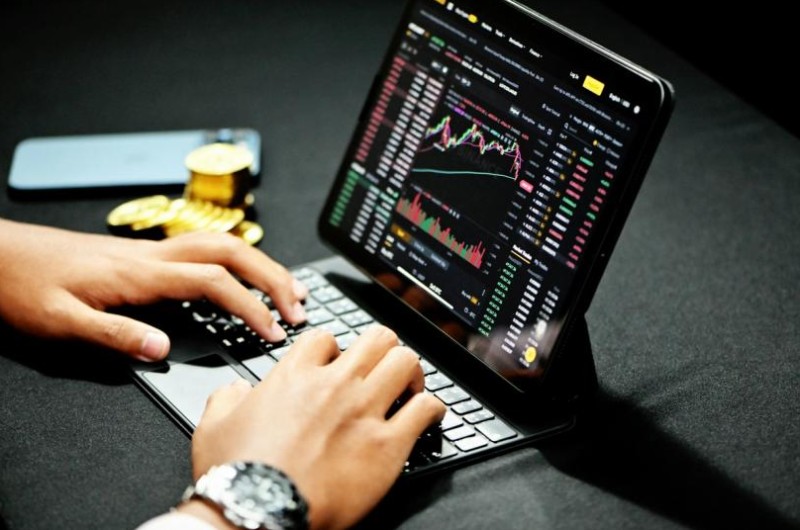
The order book is a live list of buy and sell orders. Real-time data shows liquidity dynamics in markets crypto. Bitcoin’s book had thinning bids during corrections. That makes price more exposed to downward moves.
When bids get thin, a small sell can push price down fast. I’ve seen this confuse newcomers. The source notes this vulnerability clearly. So watch the book if you trade at all.
Simple analogy: imagine a shelf of buy orders pulled one by one. The floor drops. That’s what thinning bids do. Not magic, just supply vanishing.
Large traders kept steady in derivatives. Open interest stood at $19.5 billion. Funding rates sat between 0 and 10% annualized. That stability is one piece of the puzzle even when spot side looks weak.
The 10-year TIPS real yield hit 2.04%, a high not seen for a while. That caution from investors shows in coin prices too. markets crypto listen to bond signals more than folks think.
Liquidity and Why It Matters
Liquidity is just how easy it is to buy or sell without moving price. In markets crypto, liquidity can vanish in a correction. The source says thinning bids increase vulnerability to downward trends.
If you’re a regular person, this matters because you might get a worse price in a panic. I care about this because it hits real money. Don’t skip this part if you trade at all.
Think of liquidity like water in a pool. Lots of water, you slip in easy. Little, you hit bottom. Same with coins. Less liquid book means slips hurt.
Signs of weak liquidity
- Bids disappear on the order book
- Price drops fast on small sells
- Volatility compresses then can spike
- ETF outflows remove a support pillar
We can’t fix liquidity alone, but we can see it. Free tools show the book depth. I check it before big moves. Habit worth building.
Trillion-Dollar Market Wipeout: AI Spend Fear, Binance Hack
How Big Funds Affect markets crypto
Large players shape markets crypto more than many think. When spot Bitcoin ETFs bleed money, a support pillar erodes. The sample had $3 billion out in three weeks.
But large traders also use derivatives. Open interest at $19.5 billion shows they stay. Funding rates low mean not much cost to hold positions. This calms things a bit.
Grayscale delayed its IPO due to weak market sentiment. That underscores the challenge of merging coin firms with old capital markets. I watch such delays as a mood gauge.
One light warning: if big money inflows return, seasonality could flip. The source hinted a negative period could turn positive with flows. So watch the large tickets, not just tweets.
Regulation and the SEC Plan
The SEC launched a plan called Project Crypto. It aims to modernize rules and give clarity on tokenized securities. The source says issuer-sponsored tokenization could help public firms track shareholders and votes.
But old rules still apply. Tokenized securities must meet same registration and broker-dealer duties as normal assets. Critics called the framework a copy-paste from traditional finance. That didn’t fully address crypto risks.
The framework faced criticism for its "copy-paste" approach, borrowing heavily from traditional financial regulations without fully addressing crypto-specific risks.
Fair point. You can’t just paste old law on new tech. The SEC also talked a possible exemption for tokenized trading on decentralized platforms, but guardrails matter to prevent abuse.
This plan shapes markets crypto by setting what is safe to build. Without clarity, firms hesitate. Clear lines help regular folks too.
South Korea Tax Backlash

South Korea proposed a 22% crypto tax. A petition passed 50,000 signatures against it. Critics said it hit retail investors while stock taxes got exemptions.
This shows how local rules shape markets crypto in different places. If you trade us crypto currency or others, watch tax news. I’d be mad too if stocks got a pass.
Tax shifts change where people buy and sell. A heavy retail tax can push volume to other regions. That moves liquidity maps overnight.
The source didn’t give a final law, just the backlash. But petitions with that many names get noticed. I’d watch for revisions if I lived there.
Tokenization of Securities
Tokenization means putting paper certificates on a blockchain. It can make securities markets clearer and cut admin costs for public companies. The source spots this as a way to modernize.
But legal knots remain. You must match on-chain records with old beneficial ownership reports. And you must follow securities laws. The SEC’s possible exemption for decentralized trading is a key talk point, with guardrails to prevent abuse.
Tokenization ups and downs
- Replaces paper with blockchain records
- Improves transparency for shareholders
- Reduces admin costs for firms
- Legal gaps on property rights slow adoption
Tokenization was positioned as a way to modernize securities markets by replacing paper certificates with blockchain-based records.
I like the idea of clear ownership on a public ledger. But the source is right that private law gaps, like unclear property rights, hinder compliance. You can’t skip the law part.
This topic ties back to markets crypto because tokenized stocks could trade on coin venues. That blends two worlds. Worth a close look.
EU Rules and US Debate
The EU made MiCAR to unify crypto asset rules. But some say it overlaps with old rules like the E-Money Directive and PSD2. Private law gaps, like unclear property rights, hurt compliance.
In the US, a fight exists: should crypto be securities (SEC) or commodities (CFTC)? Bitcoin is generally a commodity. This split makes markets crypto hard to nail down.
If you follow what’s actually happening in crypto markets you’ll see this debate drag on. I just want clear rules so regular folks aren’t lost in the blur.
The source notes Bitcoin usually treated as a commodity. That gives some footing. But many tokens sit in gray. I keep it simple and watch the big names first.
Altcoin Daily Warns: Crypto Crash Coming, Avoid This Bitcoin Error
Stellar and the DTCC Pick

XLM jumped 40% after DTCC picked Stellar for a tokenized securities platform. That’s a real signal of mainstream adoption potential. It shows tokenization isn’t just talk.
I find this cool because it ties markets crypto to old finance names. The source marks it as a data insight. Could be a trend, but no guarantees from one pick.
The move shows large banks and clearing houses test blockchains. That can bring new liquidity to coin venues. I’ll be watching if more picks follow.
Understanding crypto value
People ask about what gives a coin value all the time. In the source, value ties to institutional demand, liquidity, and rule clarity. Bitcoin’s price swung on ETF flows and yield moves.
Value isn’t magic. It’s supply, demand, and trust in the system. When bids thin, value can drop fast. I try to watch the book before I trust a price.
A coin’s worth also leans on what it can do. Tokenized securities add use cases. That can lift long term interest. But short term, flows rule.
markets crypto price formation is just meeting of buyers and sellers. No mystery, just orders. Keep that in mind when headlines scream.
Top Coins and Lists
Folks love a top 10 coin rundown for quick view. The source doesn’t give a full list, but mentions BTC, XLM, and others via ETFs and platforms.
A native crypto venue list would show venues built for coins, not stocks. These markets run on order books and derivatives we discussed. They shape price discovery daily.
Coins and platforms noted in source
- Bitcoin (BTC) as commodity and main driver
- XLM (Stellar) after DTCC selection
- Spot Bitcoin ETFs as large fund bridge
- Decentralized platforms for tokenized trades
I don’t rank coins here, but the source gives concrete examples. Use those to ground your reading. Lists help, but the why behind moves matters more.
US Crypto Currency Rules
The phrase us crypto currency covers how America treats coins. The SEC and CFTC split oversight. Bitcoin is a commodity, but many tokens sit in gray zone.
Project Crypto aims to clear this up. South Korea shows other countries move differently. I keep an eye on crypto price history to see how rules shifted prices before.
When the US speaks, markets crypto listen. A clear commodity label for BTC helps big funds plan. The rest is still a wait game.
Price History and Predictions
Looking at crypto price history helps context. The source shows BTC at $82k then $72k, a 12.5% fall. That’s a data point, not a forecast.
Some search for dag coin price or beam coin price prediction . The source doesn’t cover those directly, but the same market forces apply. Liquidity and regulation move all coins.
I won’t pretend to know skyrockets. But understanding markets crypto basics beats chasing tips. That’s my plain take after reading the data.
History shows coins react to yield shifts and fund flows. Keep those on your radar. The rest is noise. Life is so rich,




Comments on “markets crypto: How the Machine Works and What Actually Moves Prices”
No comments yet. Be the first to share your thoughts.