
What Is the Best Stablecoin to Buy? How to Pick the Right Peg Without the Narrative
What Is the Best Stablecoin to Buy
A friend asked me the other day: what is the best stablecoin to buy? I get this question weekly. The short answer: It depends on what you need. But before we pick, let’s understand how these coins work and what they’re for. I wrote this to break it down in plain English. No hype, no sales pitch. Just facts from my reading and some notes on the market.
The keyword is stablecoin. Digital tokens designed to hug one dollar, more or less. They move money fast without Bitcoin’s bipolar price swings. Below, I’ll walk through the types, the risks, and a few real coins. By the end you’ll have a framework. I’m just a guy sharing notes, not a registered advisor.
Stablecoins Explained in Four Minutes
What Is a Stablecoin in Crypto
Let’s start with the basic question: what is a stablecoin in crypto, exactly ? It’s a digital asset built to hold a steady value. Usually pegged to the U.S. dollar. The token sits at about a buck because the issuer holds real money or crypto behind it. Unlike Bitcoin - which people buy hoping it moons - a stablecoin is engineered to be boring. That’s the point.
I think of it as digital cash. Send it in minutes, price barely moves. The reading I did calls stablecoins the bridge between crypto speed and fiat stability. Hard agreement. They let you use blockchain without sweating a 15% overnight drop. Sure, some are tied to gold or baskets, but dollar-pegged rules the market.
Why Stablecoins Matter for Daily Money
Imagine buying your morning coffee with Bitcoin. You order, price drops 15% before you pay. That’s a terrible trade. Stablecoins fix this. They act like the dollars in your pocket, but on a network. Handy in places with shaky currencies or high inflation.
In some countries, local cash evaporates. A stablecoin gives people a claim on the dollar. Also helps with cross-border work. Big deal for freelancers and small businesses - paid in minutes, not waiting days for a wire. Not sexy, but it works.
Three Ways Stablecoins Keep the Peg
Three main ways a token stays near a dollar. I’ll list them. Each model has trade-offs, and knowing them helps you pick the best stablecoin to buy for your case.
Main stablecoin models
- Fiat-backed: Issuer holds a dollar (or equivalent) in a bank for each coin. USDC and USDT run this play. Simple, liquid.
- Crypto-collateralized: Backed by other crypto locked in smart contracts. DAI does this, with extra cushion if prices move.
- Algorithmic: Uses code and market tricks to hold price without full backing. Riskier - some failed hard.
First model is simple and trustworthy if the issuer is clean. Second is more decentralized. Third is new and can break - I’d be careful with algo coins. To mint $100 of DAI you might lock $150 of Ethereum. That over-collateralization protects the peg but ties up capital.
A Common Stablecoin Example

Let’s look at a real stablecoin example to make it concrete. USDC, issued by Circle. Each token backed by cash and short-term U.S. debt. They post monthly reports. Sign of trust. USDT is older, from Tether, deep liquidity but less disclosure.
Another stablecoin example : DAI, backed by crypto, not dollars. Plus a newer one, XUSD from Singapore, fully audited. Seeing real coins helps you compare. GELT is pegged to the Georgian Lari, not the dollar, but same fiat-backed DNA. Different flavors, same core plan.
Top Six Stablecoins to Watch in 2025
What You Can Do With Stablecoins
These coins aren’t just for trading. They do real jobs. I think of them as a safe stop when markets dip. Top uses from my notes, beyond buy/sell:
Ways to use stablecoins
- Fast cross-border payments: send in seconds for pennies, vs days with banks and big fees.
- Earn yield in DeFi: lend them on protocols like Aave to get interest above normal savings.
- Safe haven: park funds when crypto crashes, no need to cash out to dollars and trigger taxes.
- Daily spending in weak-currency regions: hold dollar value locally without a US bank.
Note: In Latin America, many use them as savings, not trading. Shows stablecoins are tools, not toys. Yield farming on fast chains is flashy, but the base idea is simple: hold value steady while you wait.
The Risks You Should Not Ignore
Don’t skip this. Stablecoins are safer than Bitcoin but not risk-free. Straight talk: you can lose money if the peg breaks or the issuer fails.
Stablecoin risks
- De-pegging: the coin may drop below one dollar in stress and stay there a while.
- Regulatory risk: governments may change rules on how they work or ban some types.
- Counterparty risk: with fiat-backed, you trust the company to hold money safe.
- Smart contract risk: code can be hacked, especially in crypto-backed models.
Check the backing before you park real money. If the issuer hides details, walk. A government co-issuer may add trust but also political risk. Nothing’s perfect, but facts help you sleep.
New Rules for Stablecoins
Regulation caught up. The U.S. GENIUS Act sets a federal frame. Reserves must be 100% cash or short-term Treasuries, monthly proofs required. No interest to holders - keeps them distinct from bank accounts.
EU’s MiCA favors fully-backed e-money tokens, pushes risky algo models out. These laws strengthen fiat-backed. Good for users. Also spurs euro stablecoins. Takeaway: plain backing beats fancy code in the eyes of the law.
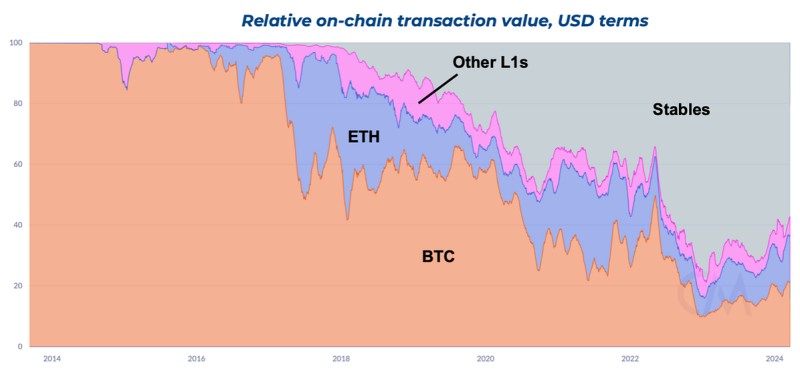
Stablecoins are becoming a truly dominant global settlement infrastructure, and one that is increasingly integrated into the existing financial system.
GELT and the Sovereign Stablecoin Idea
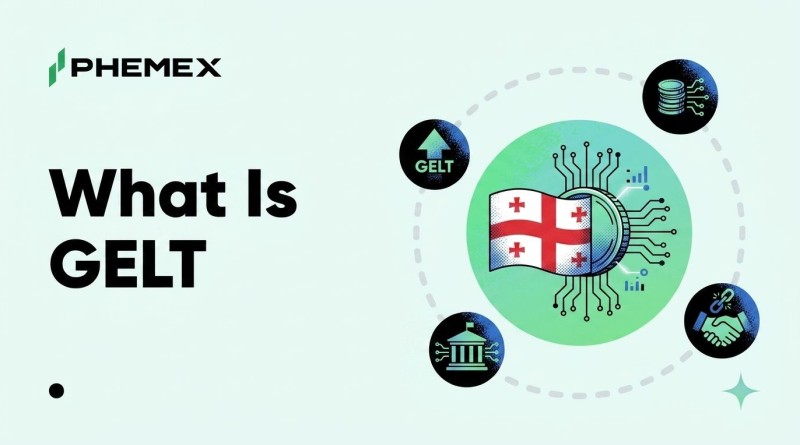
Neat case from Georgia. GELT, pegged to the Georgian Lari, backed by reserves with government as co-issuer. Runs on Tether’s rails. Means a small country gets global reach without building tech from scratch.
Why Tether over a central bank digital coin? Tether already has wallets and apps. A state coin would take years. GELT is a template: sovereign partner plus private rails. But government adds political risk. Clever, not a sure thing. Peg holds if reserves are real and redemptions honored - same as any fiat-backed coin.
Stablecoins in Latin America
Everyone says emerging markets love crypto. True, but details matter. Brazil has PIX - free instant pay, local yields near 15%. So USD stablecoins less urgent. Mexico has SPEI for cheap transfers.
Trust is the moat. Survey: half of Latin Americans distrust banks. NuBank built trust with fee-free cards. For stablecoins, education only works tied to real problems. Hard agreement. ~57 million own crypto, most save, not trade. Founders pushing trading miss the point.
Different Views on Stablecoins
Smart people debate these coins. Quick sum of views so you see the debate. Not all praise.
Five perspectives
- Greyism: thinks unregulated stablecoins are shadow banks and want bank rules to avoid crashes.
- Gorton-Zhang: say they fail the "no questions asked" test, but users ignore that in practice.
- Massad: worry about sanctions, but say crypto not going away, so regulate it well.
- Waller: sees them good for dollar dominance via DeFi since most blockchain value is in dollars.
- Brooks: says they help keep dollar as world reserve by buying US debt at scale.
Crypto is not going away and stablecoins could have greater potential to become a widely accepted medium of exchange for international payments than CBDCs.
USDT vs USDC: Transparency, Liquidity, Trust
Who Stablecoins Help Most
From my read, certain groups get the most out of these. Not just traders. Design fits real pain points.
Who benefits
- People in unstable currency regimes: Argentina, Nigeria, Turkey where banks shake.
- Financial hubs outside US: places that welcome crypto firms and build clear rules.
- Digital nomads: portable savings and easy payroll across borders.
- US government fiscal: they buy short-term debt, helping cover deficits indirectly.
Last one’s odd but true. Stablecoins hold T-bills, making them a mid-size creditor. Nearly 100 million addresses, ~$10 trillion settled a year. Visa-level flow. Scale is real.
USDT vs USDC vs XUSD
Compare three big dollar tokens. Not a ranking, just facts. All target same peg, differ in backing and home rules.
Comparison
- USDT: launched 2014, Tether, deep liquidity, quarterly reports, many chains like Ethereum and Tron.
- USDC: launched 2018, Circle, monthly audits, strong compliance, heavy on Solana and DeFi.
- XUSD: launched 2024, StraitsX, Singapore regulated by MAS, full audits, B2B focus.
USDT acts as a global trading currency with most volume. USDC wins on transparency. XUSD new but backed by MAS. Each fits different needs. USDT dominates, but institutions like USDC’s open books. XUSD brings Asian clarity.
How to Pick and Where to Buy
Back to the big question: what is the best stablecoin to buy? Start with use. Fast trades? USDT. Clean audits? USDC. Asian biz settlement? XUSD. And you need to know where to buy tokens safely.
You might ask which exchange is best for cryptocurrency in your area. Or what crypto trading platform is the best for low fees. Many use a top 100 cryptocurrency exchange to start. Also sites to buy crypto vary by country and rules.
If you hold crypto and want out, learn how to convert crypto to cash via ramps. And you can exchange cash for crypto at same venues. Check issuer proof before signing up. Monthly attestations, not promises. Good fiat ramp makes life easy.
My simple check list
- Read the backing report. Monthly is better than quarterly for peace of mind.
- See if a government or known regulator backs it, like MAS or US law.
- Check liquidity on your preferred chain so you can exit without slippage.
- Match coin to use: pay, save, or trade. Don't force one coin for all.
My Take on the Best Stablecoin to Buy
I won’t crown one coin king. For sleep-at-night, USDC’s open books are solid. If I traded heavy, USDT is the global trading currency I’d use for pairs. XUSD looks good for biz but young.
End of day, the best stablecoin to buy is the one that fits your job and shows real reserves. Don’t chase yield from shady algo coins. Stick to backed tokens, you’ll be fine. That’s my take from the reading. Hope it helps you pick with eyes open.
The plain truth is that they are working, and in my view have achieved exit velocity.



Comments on “What Is the Best Stablecoin to Buy? How to Pick the Right Peg Without the Narrative”
No comments yet. Be the first to share your thoughts.