
The Dex Cryptocurrency Exchange: How It Works and Why Traders Cut the Middleman
The Dex Cryptocurrency Exchange Basics
Let’s talk about the dex cryptocurrency exchange and why it matters. At its core, a dex cryptocurrency exchange is the anti-custodian. Translation: You swap tokens from your wallet via smart contracts, keep your keys, and cut the middleman. I like it because it puts you in charge of your own money. When you use one, you don’t hand your coins to a company that might fail or freeze your account. You stay in control from the first click to the final swap. That’s the simple fact pulling traders away from the big centralized names.
Most people first touch crypto trying to buy tokens on a centralized site that demands ID and trust. A dex is a different path - it skips those steps. It lets you trade straight from your own wallet without surrendering custody. The anti-custodian label fits. You hold the keys, so you own the risk and the reward on every trade. No boss sits between you and your coins.

This image shows the split between the two trading models. Left: a centralized venue holds your funds and acts as gatekeeper. Right: a dex cryptocurrency exchange keeps you holding them while code does the work. Seeing it helps - it’s not talk, it’s a real shift in how trades execute on chain. The image makes clear the middleman is gone in the dex model. Good visual before we go deeper.
There’s a calm freedom in knowing your coins never leave your wallet until the swap fires. You just sign a message with your key. That’s the basic shape of the dex cryptocurrency exchange, and worth sitting with before you try it.
Animated primer: what a dex cryptocurrency exchange is
What Makes a Dex Different
The difference is stark: no middleman custoding your funds. On a normal exchange, you trust a team to safeguard your coins and match orders. On a dex cryptocurrency exchange, the trade executes through open code anyone can audit. That code is a smart contract in crypto doing its thing on-chain. It’s a small program that swaps tokens when both sides accept the rate.
A dex is also a defi app you can use daily without permission. DeFi means money tools that run sans banks or clerks. This one lets you trade without sign-ups or paperwork. Cool in theory - but it means you must learn a bit before diving in, or you’ll lose track of your keys.
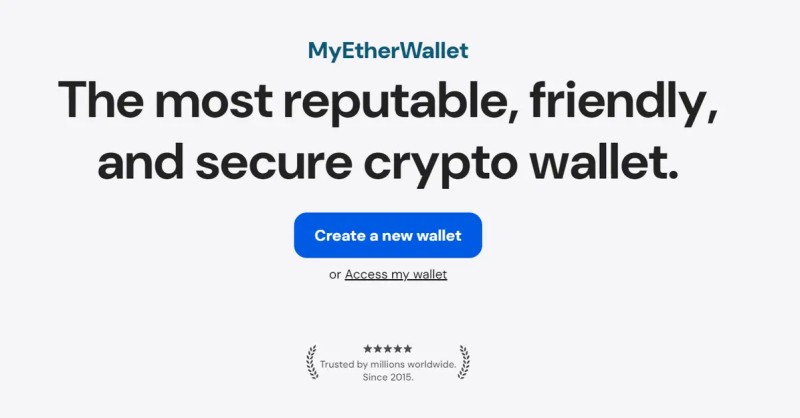
The banner shows a wallet ready to connect to a dex-style site. That’s the link between your tool and the open market - the heart of what makes a dex cryptocurrency exchange stand apart. You bring the wallet, the dex brings the smart contract, and they meet for a swap. No account, just a connection.
You hold the keys, you own the risk.
That line sums up the model in plain words. Not a corporate slogan - just the truth of using a dex. Keep it front of mind as we hit the steps and gotchas.
How a Dex Cryptocurrency Exchange Works
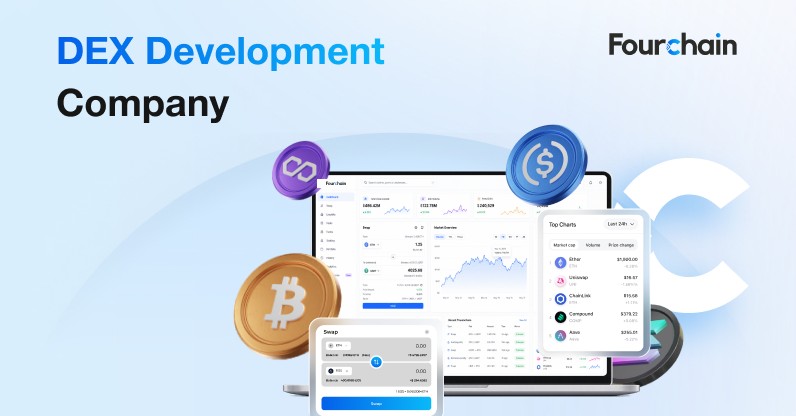
Here’s the flow in plain talk. Open your wallet app on phone or computer. Connect it to the dex site via a permission prompt. Pick the token you hold and the one you want from a list. The smart contract takes over and swaps at the set rate. That’s the whole loop - no account sign-up, no paperwork.
Simple steps to trade
- Connect your wallet to the dex cryptocurrency exchange
- Choose the tokens you want to swap from the list
- Approve the smart contract to use your token once
- Confirm the trade from your wallet and wait for the chain
Do this and you’re buying and sending crypto in a direct way that skips the usual shop. No waiting for a company to process on its own clock. And sending crypto to the dex is just a wallet action you know. You send to a contract address, not a person - code does the rest.
This image shows a dex cryptocurrency exchange built from code, not concrete. The swap screen is just a front end for a smart contract. You’re not logging into a vault; you’re tapping a program on chain. That mental shift makes the rest easier to grasp.
Why Traders Choose a Dex
Traders pick a dex cryptocurrency exchange for clear reasons. They want keys only they can touch. They don’t want a middleman skimming or holding funds hostage during downtime. If you’ve ever asked which exchange is best for cryptocurrency , the answer hinges on what you value. For raw control, a dex is hard to beat.
Others wonder what crypto trading platform is the best for quiet trades sans paperwork. A dex usually doesn’t ask your name. That pulls folks who care about safety and simple access. User safety is rated safe - because you’re not trusting a third party with your pile.
Don’t skip this: you own the risk when you hold the keys.
That warning isn’t to scare you off. It’s the fair trade of a dex cryptocurrency exchange. You gain freedom, lose the help desk. Both sides matter when choosing where to trade.
CEX vs DEX trade-offs broken down by Coin Bureau
User Safety on a Dex
The brief says user safety: safe. I read that as a dex cryptocurrency exchange keeps you safe by design in one way - you hold the keys, so no company hacker grabs your pile in one leak. But safe isn’t foolproof or magic. Guard your seed phrase like the only copy of your house key.
If you buy cryptocurrency online from a shop then move to a dex, start with a wallet you control. Good habit - keeps safety in your hands. Safety comes from you, not a support desk that might vanish next year. Trade-off worth weighing before you leap.
Plain: the safety note is real, but only if you do your part. Write down keys, test small swaps, learn the screen. Then a dex cryptocurrency exchange feels less like a leap, more like a tool.
Smart Contracts and Your Wallet

Let’s drill into smart contracts in crypto again so it sticks. It’s code on a blockchain that can’t lie once live. On a dex cryptocurrency exchange, that code holds swap logic and your wallet signs. No person sits middle to approve or block.
This image lays out the comparison in a clean chart. A smart contract removes the need for a central book and a team to run it. Your wallet talks straight to it over the net. I like that split - it shows why a dex cryptocurrency exchange feels different in your gut.
Your wallet is the lock, the smart contract is the vending machine. Put in token A, get token B, machine open for all to read. That’s the whole trick, and it’s a good one.
Comparing Dex to Centralized Exchanges
Scan a top 100 cryptocurrency exchange list and most names are centralized - they hold coins like a bank holds cash. A dex cryptocurrency exchange flips that model. No deposit; you trade from your pocket and code matches you.
Quick compare points
- Custody: dex keeps you in control, cex holds funds for you
- Sign-up: dex needs no account, cex asks for ID and email
- Risk: dex risk is your own, cex risk is their ops and rules
- Speed: cex can be faster, dex depends on chain load
Folks ask can you trade crypto on sofi ? SoFi is custodial, not a dex. Different model - they keep coins. Knowing the difference picks your tool. A dex cryptocurrency exchange is self-custody, plain and simple.
The chart and list make the split clear. One’s a company, the other’s a contract. Both have a place, but they’re not the same thing.
The Gotchas You Should Know
Now the gotchas. The long description promised basics, benefits, and gotchas. Gotcha one: you own the risk, no undo button. Lose keys, no password reset. Gotcha two: smart contract bugs - code can flop even when many dex use audits.
Pay attention: no support desk saves your funds if you mess up.
Also, buying tokens on a dex means knowing the real token address. Scams wear fake tokens that look real. Check the contract before swapping, every single time you trade on a dex cryptocurrency exchange.
Gotchas to watch
- You can lose keys and all funds with no recovery
- Wrong token address can drain your swap
- Chain fees can spike and make small swaps silly
- Some dex have low liquidity for odd pairs
Where to Buy Tokens With a Dex
Using a dex cryptocurrency exchange, you may wonder where to buy tokens for a new project. The dex lists pairs from liquidity pools users funded. Connect and swap at pool rate. Not a shop with a shelf - a market you join from your wallet.
You can buy cryptocurrency online from a central venue then move it. But the dex itself is for swaps, not fiat with a card. Don’t show up expecting a checkout page. A dex cryptocurrency exchange meets your wallet where it is.
I think of it as a flea market where the stall is a smart contract. You bring goods, leave with different goods, contract is the honest broker that never sleeps.
CoinGecko ranks 2026 DEXs: Uniswap, Jupiter, Aerodrome
What Is a DeFi App Like a Dex
A dex is a clear example of a defi app regular people can use. Tool runs without a company in the middle of your money. You use it via wallet, chain does the rest. That’s the heart of DeFi: code replaces the clerk and building.
The pic gives a soft view of DeFi overall. A dex cryptocurrency exchange is just the trading slice. Many such apps exist, but dex is most used because swapping is what folks want first. Model works for daily trades sans boss.
So when someone says DeFi, picture your wallet talking to a contract. That’s the dex in a nutshell, easier than the fancy word sounds.
Sending Crypto and Using Your Keys
Using a dex means sending crypto to a contract address for the swap - a normal transfer from wallet to line of code. And how to buy and send crypto safely means double-checking addresses before send. Can’t stress enough: one wrong char sends coins to the void.
Your keys sign each move on a dex cryptocurrency exchange. Hold them, you’re your own bank - all the good and bad. The send step is small but it’s the moment control is real. Treat it with care, you’ll be fine.
Guard your keys like the only copy of your house key.
Which Exchange Is Best for Cryptocurrency
People debate which exchange is best for cryptocurrency in forums. My take: want control, dex wins. Want easy fiat and hand-holding, a cex fits. Your call based on needs, not one-size rule.
And what crypto trading platform is the best for safety? The one where you keep keys - no outside hack takes what they don’t hold. But learn basics first or safety is fake. A dex cryptocurrency exchange gives the shield, you must wield it.
No trophy for picking the trendiest name. Best spot is one you understand well enough to use without panic.
Can You Trade Crypto on SoFi
Someone asked me can you trade crypto on sofi the other day. Yes, SoFi offers crypto buys, but custodial - they hold it like a bank. Not a dex cryptocurrency exchange, not the anti-custodian model we opened with.
Want the model where you keep keys? SoFi isn’t it. Use a dex for that part. Good to know when scanning the menu. Words sound similar, custody is night and day.
Top 100 Cryptocurrency Exchange Lists
You might scan a top 100 cryptocurrency exchange rank to pick a venue. Most are centralized, hold customer coins. A few dex appear by swap volume, but list rarely shows the key difference: who holds coins at day’s end.
Use lists as a start, then check if it’s a dex cryptocurrency exchange or cex. Clears confusion fast. High rank doesn’t mean self-custody; low-rank dex might fit your key-holding need. List is a map, not the road.
My Plain Take on Dex Safety
Closing thought: the user safety note safe makes sense after using the model. A dex cryptocurrency exchange puts power in your hands, no middleman to blame. But power means duty. Learn your wallet, guard your keys, you’ll be fine.
Not hype, just a tool that does what it says. Swap tokens from your wallet, keep your keys, cut the middleman. That’s the whole story - hope it helps you trade with open eyes.



Comments on “The Dex Cryptocurrency Exchange: How It Works and Why Traders Cut the Middleman”
No comments yet. Be the first to share your thoughts.