How Crypto High Yield Savings Work - and Why They’ll Burn the Faint of Heart
What Crypto High Yield Savings Mean
Let’s talk about crypto high yield savings. The short version: U.S. banks give you peanuts - almost no interest. But some crypto platforms promise double-digit yields on stablecoins and Bitcoin. Sounds great. The risks are real. Here’s the no-BS breakdown. If you’ve ever wondered how to make money from cryptocurrency (the risky way) , this account is one path. The pitch is simple: You let a platform hold your coins, they pay you more over time.
The model isn’t new. You deposit crypto or stablecoins into a platform. It lends them out or deploys other strategies to make money, kicking you back a cut. Traditional banks do the same with dollars, but low loan rates mean they pass almost nothing to you. Crypto platforms tap borrowers like margin traders and market makers. That demand creates the high rates. Think of it as cutting out the middleman - except the middleman is now just different code or a company.
Traditional banks, by contrast, offer minimal interest due to low loan rates.
So when a crypto app flashes 8% or 10% APY, that’s real borrowing demand in the crypto world. Not a gift. Someone else is paying that interest to use your assets. First rule: remember that before you drool over the headline rate. The gap between bank peanuts and crypto double digits is wide for a reason.
Crypto Savings Accounts Explained: Passive Income Basics
How DeFi Platforms Pay You
Some accounts run on decentralized finance - DeFi. Code does the work, not a bank boss. A protocol like Compound automates lending. Deposit a stablecoin like USDC (pegged to $1). You earn interest in more coins, plus sometimes a token like COMP. If you want to earn money with cryptocurrency (via code) , this is the mechanic. It all runs on smart contracts anyone can inspect.
Ways DeFi generates yield
- Lending markets where borrowers pay interest
- Staking that secures networks and pays rewards
- Liquidity pools that trade and fee-share
- Smart contract automation cuts staff costs
Concrete case: Deposit USDC into Compound, you get ~7.08% in dollar interest plus 1.91% in COMP tokens. Cash plus a small equity stake. The spread between lender yield and borrower cost is ~2-3%, keeping the protocol alive. Compound manages a massive asset pile via code alone. Uniswap trades ~$1B daily with 12 employees; Coinbase uses 1,200 for similar volume. That’s how lean these systems are.
But lean ≠ safe. Code is written by humans, and humans screw up. The model is interesting - it deletes the bank teller and the marble lobby. You interact with a website and wallet, not a suit. Cool. But I keep my eyes open for bugs.
Centralized Crypto Savings Options
Not all DeFi. Some centralized crypto investment companies in usa (read the docs) offer bank-like accounts. Ledn and Alpaca. High yield, some FDIC insurance on certain parts. Ledn: up to 3% APY on Bitcoin, 8.5-10% on USDC. Alpaca cash program: 3.30% APY on idle dollars. When evaluating these, check insurance fine print - coverage varies wildly.
Uniswap trades $1 billion daily with 12 employees vs. Coinbase’s 1,200 employees for similar volume.
Centralized spots add nice features: move between assets in-app, monthly compounding. Tradeoff: you trust a company, not code. Both models need a careful look before you park funds. A friendly UI can hide rough terms - so I read slow.
Ledn and Alpaca Account Details
Numbers. Ledn: no minimum deposit - good for small savers. Growth accounts FDIC-insured. Withdraw up to 100 BTC or 1M USDC instantly. Alpaca high-yield cash: 3.30% APY, claims up to $2.5M FDIC cover across partner banks - 9x the national average for idle cash. Exact terms matter. Read them.
Ledn core features
- BTC accounts up to 3% APY
- USDC accounts 8.5-10% APY
- No minimum deposits required
- Instant withdrawals up to 100 BTC or 1M USDC
Alpaca differs: focuses on USD balances, not coins, for cash program. Log in, flip switch, idle dollars earn. FDIC protection via program banks, not Alpaca itself. Read terms before moving a big chunk. A friend skipped fine print, got surprised by a limit. I won’t.
Both show crypto high yield savings can mimic banking with better rates. But backing ≠ local brick branch. Keep that in mind when you see the big APY on the homepage. The words under the number count more.
Three Lessons Before Opening a High Yield Savings Account
Compound and Other DeFi Yields
Back to DeFi. Compound is classic, but others exist. XT Earn uses a three-layer plan to hit 10%+ APY for ~$100K portfolios. Clapp Finance: flexible savings up to 5.2% APY on euros and stablecoins, plus BTC and ETH yields. If you ask what are the best cryptocurrencies (for savings) , stablecoins like USDC appear for price steadiness. But “best” depends on your risk mood.
DeFi platform specs
- Compound: 7.08% USDC plus 1.91% COMP tokens
- XT Earn: 10%+ APY via fixed and flexible blend
- Clapp: up to 5.2% APY on EUR, USDC, USDT
- Clapp also: BTC 3.2% and ETH 4.2% APY
Variety is wide. Some pay in kind (more of same coin). Others throw in a governance token that may rise or fall. Comparing APYs gets tricky. Add token value to base rate for real return. I sketch on paper before committing. A number with a plus sign isn’t the whole story.
XT Earn and Clapp Finance
XT Earn’s method: passive investor puts 80,000 USDT in 365-day fixed at 9.90% APR, 20,000 in flexible at 7% APR → blends to ~10.43% APY. They run “Crazy Wednesday” at 15% APY on $20K cap. Clapp keeps it simple: daily compounding on multiple assets. Clear numbers, not vague promises. I like that.
A 100,000 USDT portfolio can yield 11,422 USDT annually through fixed and flexible blends.
Tasty rates, but not government-backed. Yield comes from market activity. Demand drops, rate falls. That’s the tradeoff with crypto high yield savings. Fixed term locks money - can’t run when wind changes. I’d only lock what I can forget for a year.
Real Risks of Losing Your Funds
Now the scary part. Celsius, BlockFi, Nexo froze or collapsed. People couldn’t get money out. Even if you pick what cryptocurrency is best to invest in (platform risk still kills you) , the platform can fail. DeFi has smart contract bugs. Centralized spots may lack full FDIC. This is the fine print that matters most. I never ignore it.
Risk types to know
- Platform insolvency or sudden freeze
- Smart contract flaws in DeFi code
- Partial or no FDIC coverage on crypto
- Liquidity locks that delay withdrawals
Don’t skip this. The high number on screen means nothing if the door is locked. Weigh each platform’s track record before trusting it with rent money. One collapsed lender can take your coins even if the coin is fine. Hard lesson many learned the rough way.
So when you read about a hot new account, pause. Search “freeze” or “bankrupt” next to the name. Five minutes could save your savings. I do it every time before connecting a wallet.
When Stablecoins Break
Stablecoins supposed to hold $1. Most do, not all. In 2022, Terra’s UST collapsed from $1 to near-zero. Flawed algorithm. Wiped $45B market cap. Even “safe” coins carry risk. Crypto high yield savings often use these coins - know what you hold. I was shocked then, still think about it.
Terra’s UST stablecoin collapsed from $1 to near-zero due to algorithmic design flaws, wiping out $45 billion in market cap.
Not saying all stablecoins are bombs. USDC and USDT held up better. But history is there. Care about peg mechanism. If a coin uses code not cash to hold price, risk is higher. Ask: what backs this? Fuzzy answer → I walk.
Rules and Regulatory Shifts
Governments change the game. 2021: Coinbase exited high-yield after SEC actions. Regulators may restrict products or force terms overnight. Some ask what is a fidelity crypto account (a different beast) - separate managed option, own rules. Point: crypto savings can be halted by letters from Washington. I track news lightly; hate surprise shutdowns.
Historical regulatory events
- Coinbase exited high-yield in 2021 due to SEC
- Some platforms faced cease orders
- Future rules could alter APY terms abruptly
- State level actions may differ from federal
Uncertainty is part of the deal. Don’t assume today’s rate sticks. I keep that in mind for any crypto high yield savings plan. A vanished product leaves a screenshot and a lesson. Lesson costs less if stake is small.
Getting Started With Coinbase and MetaMask
Want DeFi? Common route simple. Buy USDC on Coinbase. Move to browser wallet like MetaMask. Write recovery phrase, hide it. Connect to DeFi app like Compound. For those learning how to make passive income with crypto (starter flow) , this is base camp. No bank visit.
Setup steps
- Buy USDC on Coinbase pegged to USD
- Transfer to MetaMask and secure phrase
- Connect to app.compound.finance
- Earn USDC and COMP tokens automatically
Interest compounds itself. No MBA needed. But silly to ignore fine print we covered. Start with small test amount - cost of a dinner out. If smooth, scale slow. Rushing big deposit is how people get burned. I treat first transfer like a test drive.
Why High Yield Savings Accounts Are a Bad Idea
Signing Up for Alpaca Cash
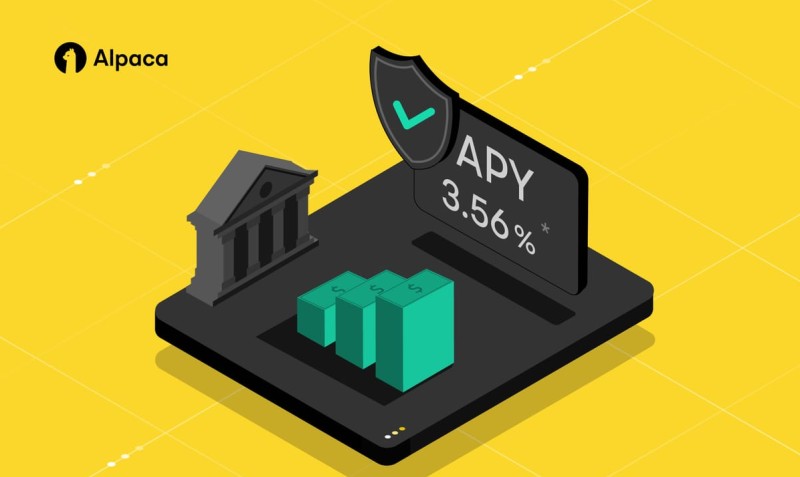
Alpaca’s path easier for USD. Log into dashboard, Plans and Features, enable High-Yield Cash. Idle dollars earn. No crypto wallet. Feels like bank add-on with better yield. Sign-up is clicks, not contracts.
Idle USD balances earn up to 3.30% APY, with FDIC protection.
APY lower than pure crypto plays, but insurance makes it calmer. Fear volatility? Gentler step into crypto high yield savings. Bridge between old bank rails and new returns. You touch dollars, not tokens. Suits those wanting taste without wild swings.
Ways to Spread Your Crypto
Diversification smart. Half DeFi, half traditional finance, says a coop advisor. Brooklyn Coop’s Daniel Gonzalez suggests crypto ≤5% of portfolio. Favors BTC and ETH over stablecoins. Some prefer cryptocurrency funds vanguard (different basket) style products - different basket. Goal: avoid single point of failure. I nod.
Diversification ideas
- Split between DeFi and centralized accounts
- Limit crypto to 5% of total portfolio
- Favor BTC and ETH over stablecoins per advisor
- Use FDIC-backed options for peace of mind
Spreading small beats yoloing into one platform. Source notes single collapse can wipe access. Eggs in many baskets. One breaks, rest keep plan alive. Common sense with crypto twist. I sleep better split.
Tax Stuff You Can't Ignore
IRS wants its cut. Interest from crypto savings taxed as ordinary income, not capital gains. Earn 7% on $10K BTC at $60K/token → $700/yr taxable even if BTC swings. Track rewards. I keep simple spreadsheet.
Interest from crypto savings is taxed as ordinary income, not capital gains.
Flips math. 10% crypto yield might feel like 7% post-tax for some brackets. Not a tax pro, but source clear. Don’t let tax tail bite in April. Report earnings plain. Gov treats as income, not lucky gain.
Safety vs Return Tradeoff
Higher yields tie to higher risks. Traditional FDIC under 1% APY. Crypto platforms advertise 5-10%+. Chasing next best crypto (won’t save you) won’t close gap. Judge your stomach for volatility and platform trust. I rate sleep level as real metric.
APY ranges by type
- Traditional banks around 0.5% FDIC-insured
- Centralized crypto 3-10% with some coverage
- DeFi 4-15% variable and no insurance
- Risk rises as the headline number climbs
Match account to nerve. 30% coin drop ruins your week? Avoid unstable parts. Crypto high yield savings not for faint of heart, as title says. Pick side that lets you close eyes at night. Big rate only worth if you hold through storm.
My Take on Small Allocations
For me, small slice makes sense. Source: risk-averse can use stablecoin savings or FDIC-backed. Start tiny to learn ropes. Online chatter about irt crypto (ignore the chat) misses basic step: read platform docs. Keep simple, keep small, watch fine print. I keep crypto savings under 5% mark.
My personal checks
- Read the insurance terms line by line
- Test with amount I can lose
- Check platform history of freezes
- Never assume rate stays the same
That’s the rundown. Crypto high yield savings can boost income, but demand respect. Clears fog without corporate gloss. The fine print is where truth lives - go read it before sending a coin. Calm look now beats panic later.


Comments on “How Crypto High Yield Savings Work - and Why They’ll Burn the Faint of Heart”
No comments yet. Be the first to share your thoughts.