
How to Pick the Best Crypto IRA Accounts Without Losing Your Shirt (A No-Mercy Guide)
What Is a Crypto IRA
A crypto IRA is a retirement account built to hold digital coins as a long-term bet. Same as a standard IRA: you contribute yearly, you get tax breaks. But most are self-directed IRAs - the IRS lets those hold digital assets like BTC and Ethereum. Think of it as a tax-advantaged wrapper for coins you’d otherwise park on some exchange. You open it with a custodian that handles trade and storage, not a vanilla brokerage. The difference: you pick the coins, they handle the legal shit and safekeeping.
The IRS won’t let you drop crypto straight into a plain IRA. So you use a self-directed IRA from a provider that partners with qualified custodians and centralized exchanges. The custodian keeps it legal, executes buys/sells, and stores coins - usually in cold wallets. Use one of the best crypto ira accounts and you keep the tax perks of retirement while holding coins. This isn’t new, but it’s scaled as providers entered and made it less clunky for normies like you and me.

In 2014, the IRS ruled digital currencies are personal property for tax purposes. IRS Notice 2014-21 - that’s the door opener for crypto in retirement accounts. It treats virtual coins like stocks or real estate. The legal base has been there for a decade. Crypto’s growth potential is why folks want it tax-sheltered. The appeal is simple: upside of digital assets without an annual tax bill on every trade. That combo is why people search for the best crypto ira accounts when building a nest egg.
Why a Crypto IRA beats a taxable account
How a Crypto IRA Works
A crypto IRA runs like a regular IRA, but your money goes into cryptocurrencies instead of mutual funds or stocks. You’re more hands-on. With a normal IRA, the broker is one-stop. With crypto, you pick coins, custodian holds them to stay legal. That self-directed part is key. You decide what to buy and when to sell, but you don’t hold the private keys. The custodian signs trades via an integrated exchange - funds never hit your personal wallet.
The key features of crypto IRAs
- Self-directed structure: you choose the asset (BTC), custodian holds it for legal needs.
- Custodian-managed security: regulated custodian stores crypto, often cold storage.
- Built-in trading access: platforms link to exchanges, trade without moving funds.
- Automated reporting: provider tracks trades, handles tax papers, keeps you compliant.
Trading access matters. Platforms connect to big exchanges, so you buy/sell without shuffling money between apps. Automated reporting saves you from tax-time math. Your provider sends forms to the IRS. Relief if you hate paperwork like I do. You watch the balance and call trades, but dull compliance runs backstage. Feels like a normal brokerage - just coins instead of shares.
With a crypto IRA, investors must be more self-sufficient in creating and managing their accounts.
Types of IRA Accounts and Rules
Few flavors of IRA work for crypto: Traditional, Roth, SEP, SIMPLE. Each has its own tax, contribution, withdrawal rules. Know these to pick the right shell for your coins. I’ll walk the big ones so you don’t get lost. The type changes when you pay tax and how much you shovel in yearly. All can be self-directed via a custodian that supports digital assets.
Traditional and Roth Options
Traditional IRA is the old-school type. You get a tax deduction the year you contribute, grows tax-deferred. Pay income tax on withdrawal in retirement. Law forces withdrawals (RMDs) at 72 or 73 depending on rule version. Annual cap under 50 shifted from ~$6,000 to $7,000, catch-up for older. Pull out before 59½? 10% penalty, hardship exempt. High earners with workplace plan may lose deduction.
Roth crypto IRA works different. After-tax money in, no upfront break. But it grows tax-free, qualified withdrawals tax-free. No RMDs ever - nice for letting it compound. Contribute with earned income, but income limits phase out max contribution. People ask me about roth ira crypto accounts and whether they beat Traditional. Depends on your tax bracket now vs later. Higher later? Roth wins. Lower? Traditional suits.
Roth IRA: after-tax contributions, tax-free growth, qualified withdrawals.
SEP and SIMPLE IRAs for Small Biz
SEP IRA fits small biz owners and freelancers. Employer contributes to own and staff accounts. Deductible, taxed later. Yearly limit: lesser of set dollar cap or percent of wages, IRS-set. No catch-up. Join generally at 21+, few years work, min earnings. Solo shop or tiny team can sock away more than a standard IRA allows.
SIMPLE IRA for businesses under 100 workers. Staff contribute to cap, catch-up if over 50, employer matches slice of salary. Low startup cost, tax credit first years. Not just stocks - route to crypto via self-directed setup. Run a small shop? These best crypto ira accounts built on SEP or SIMPLE might fit. Paperwork lighter than 401(k), contribution room larger for owner-employees.
Quick compare: IRA types for crypto
- Traditional: deductible in, taxed out, RMDs, IRS cap.
- Roth: taxed in, tax-free out, no RMDs, income limits.
- SEP: employer funded, deductible, high wage-formula cap, no catch-up.
- SIMPLE: small biz, employee contributions + match, low start cost.
Crypto IRA mechanics: tax benefits, volatility, and custody
Best Crypto IRA Accounts to Know

Shop for the best crypto ira accounts and a few names repeat: iTrustCapital, Alto, IRAFi, BitcoinIRA, Swan. Each slants: low cost, big coin list, ease, or Bitcoin-only. I’ll break down the ones from my source sans sales fluff. Best fit depends on your needs, not a magazine rating. Cost-conscious loves iTrust; Bitcoin purist picks Swan. Match provider to how you invest.
Before diving in: most use cold storage via Coinbase Custody, BitGo, Bitstamp. Coins sit offline with a regulated firm, not your wallet. Some ask what is a fidelity crypto account when they hear crypto IRA, but Fidelity isn’t in my source list. Below are providers with clear data. Check custody hardest - you’re trusting them with retirement coins. Insurance and audit stats beat a slick app.
iTrustCapital and Alto
iTrustCapital: best for cost-conscious. $1,000 min, 1% per crypto trade. 90+ crypto assets plus gold/silver in same IRA. Waives monthly retirement fees. Cold storage via Coinbase Custody and Fireblocks. Traditional, Roth, SEP, non-IRA. Market leader in coins + metal - mix hard assets in one place. Low friction, known name: strong starter among the best crypto ira accounts .
Alto CryptoIRA (now Public.com) best for selection. 200+ cryptos including BTC, ETH, newer. 1% trade fee, $50 closure, $25 wire. One source: $1,000 min; another: $10 min, $250 setup, $360/yr. Cash FDIC insured to $250k. Serve US except Hawaii; Traditional, Roth, SEP, 401(k). Custody via Coinbase. $1B+ crypto in custody - scale even with mixed reviews.
iTrustCapital vs Alto: at a glance
- iTrustCapital: $1k min, 1% trade, 90+ coins, no monthly fee, Coinbase cold storage.
- Alto: $10 or $1k min per source, 1% trade, 200+ coins, $360/yr, Coinbase custody.
- iTrustCapital adds gold/silver in same IRA; Alto sticks to crypto + partnerships.
- Alto mixed reviews (Trustpilot 4.3, BBB low); iTrust cost leader.
BitcoinIRA and Swan Bitcoin
BitcoinIRA: best for ease. $1,000 min, no max. 80+ tokens, 200k+ users since 2015. 2% trade fee, free setup. Cold storage via BitGo. Easy rollovers, mobile app, 24/7 trading. Simple on-ramp - solid pick among the best crypto ira accounts . They push education for newbies. Higher trade fee = hand-holding and smooth UX.
Swan Bitcoin: Bitcoin-only IRA. BTC focus, custody via Swan Vault (hybrid self-custody). Education, long-term hold over trading. No altcoins, lower fees, buy dips not day trade. If BTC is the one, Swan fits. They don’t hype top crypto to buy lists - just Bitcoin. Altcoins add risk sans proof; they keep simple. For set-and-forget saver, narrow focus is feature not bug.
Swan Bitcoin IRA tailored for Bitcoin, avoiding volatile altcoin securities.
Other Providers Worth a Look

IRAFi Crypto: best for tax reporting. 45+ coins (BTC, ETH, SOL, DOT, MATIC). 1% trade, $100/yr, no min. Bitstamp cold storage. Traditional, Roth, SEP, Simple. BlockTrust IRA: full control buy/sell/store BTC, ETH, SOL in tax-advantaged IRA, clear pricing. BitIRA pushes security: insured cold storage, guided setup following DOL/SEC. These three prove niche needs (reporting, control) have a home.
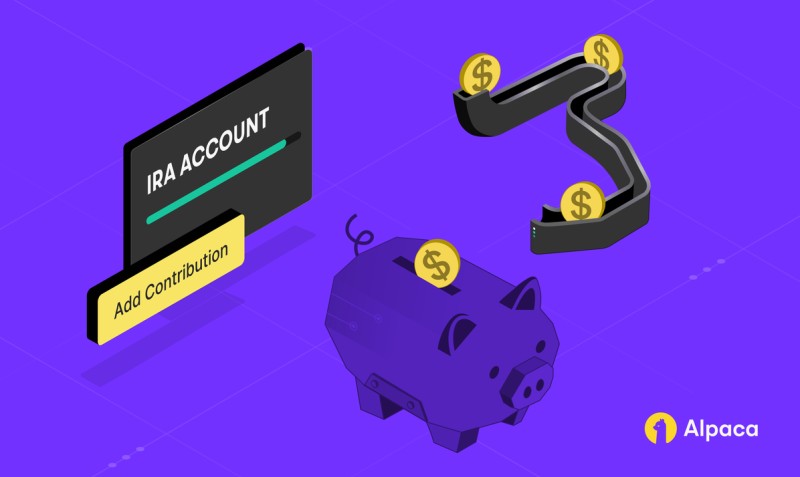
IRA Financial: checkbook IRAs, flat-fee, more control. Accuplan: third-party admin (not custodian), flat annual fees, crypto + metals + real estate. Alpaca: API-enabled IRAs for algo trading in Roth/Traditional. Entrust Group: 40+ yrs self-directed admin, invest via funds or IRA LLC. ForUsAll and Allio: 401(k) with crypto. Digital Wealth Partners: XRP algo strategy in qualified accounts, custody via federally chartered digital asset bank. Wide spread of styles.
More crypto IRA providers (from the data)
- IRAFi Crypto: 45+ coins, 1% fee, $100/yr, no min, Bitstamp cold.
- BlockTrust IRA: self-directed, BTC ETH SOL, transparent no hidden fees.
- BitIRA: insured cold storage, compliance focus, guided support.
- Entrust Group: 40+ yrs, crypto via funds/IRA LLC, no min for crypto.

How to Open a Crypto IRA

Opening one isn’t hard, just multi-step. One: research providers, compare fees, custodian insurance, coin list, security. Two: submit info, fund via rollover or new contribution within IRS limits. Three: pick digital assets from platform list. Four: track performance on dashboard. Take your time on step one - don’t rush on a flashy ad. It’s retirement money; custodian track record weighs heavy.
Steps to open a crypto IRA (no mercy)
- Research providers: flat vs trade fees, insured custodian, asset choice.
- Submit info/fund: SSN, ID, rollover from 401(k)/IRA, or new cash.
- Choose assets: pick 10-250+ coins, custodian executes via exchange.
- Track portfolio: dashboard to watch gains/losses, rebalance.
Other routes exist. Entrust notes you can invest in digital currency funds like a mutual fund, skip wallet. Or set up IRA LLC with wallet and checkbook control. Both use self-directed shell. Want to learn how to make money from cryptocurrency inside retirement? These structures give tax deferral. Fund route simpler; LLC route direct control, more paper. Pick path matching your effort.
Crypto IRAs let investors gain exposure to cryptocurrencies using retirement savings.
iTrustCapital's five selling points, ranked
Fees and Costs You'll Face
Crypto IRA fees run higher than plain IRA. Setup $0–$300 one-time. Annual maintenance up to $350. Trading 1%–2% per buy/sell (iTrust/Alto 1%, BitcoinIRA 2%). Storage ~0.05%–0.08% to custodian for cold. Some charge valuation up to $100 for IRS reports. Alto adds $25 wire, $50 closure. Know full stack before funding. Low trade fee means little if annual fee steep and balance small. Read fine print.
Common crypto IRA fee types
- Setup fees: one-time $0–$300.
- Annual maintenance: up to $350, some waive (iTrust).
- Trading fees: 1%–2% per txn, big recurring cost.
- Storage/valuation: small % cold storage + possible report fee.
Don’t skip this. Fees eat returns, especially with crypto’s swings. 2% trade fee both sides adds up if you trade lots. Flat-fee models (IRA Financial, Accuplan) save heavy users. Compare custodian model: asset-based vs flat. Pick per trade frequency. Buy once hold? Trade fee matters less than yearly. Rebalance often? Trade fee is shark in water.
Tax Perks and Reporting
Virtual currencies are property, so IRAs don’t pay tax on internal buys/sells. Taxes deferred till withdrawal. Roth pulls tax-free if qualified. Inside IRA, you don’t report each trade to IRS. Provider auto-reports, keeps you clean. This is the core tax hack of the best crypto ira accounts . Shield means compounding sans annual tax drag - huge over decades. Follow withdrawal rules or penalties bite.
Traditional: deduction now, tax later. Roth: tax now, freedom later. SEP/SIMPLE defer to withdrawal. Staking/DeFi income rules still catching up at IRS, but base clear. Provider should send consistent forms as rules improve. Watch prohibited transaction guidelines. Mixing personal + IRA funds or self-dealing blows the shield. Stay in lane, keep perk.
Within IRA, individual purchases/sales don’t need reporting to IRS for short/long-term gains.
Risks to Keep in Mind
Crypto is wildly more volatile than stocks/bonds. BTC dropped 80% in 2018, rose 300% in 2020, near $68k in 2021. Those swings wreck retirement if over-allocated. Fraud risk: some promise huge returns. SDIRA providers vet, but stay sharp. Fees high vs standard IRAs, token choice limited (most exclude memecoins/NFTs per regs). You buy screened list, not whole market. Safer but narrower than personal wallet.
Custodian risk real - you don’t hold keys; hack/mismatch hurts. Can’t use coins in DeFi/on-chain. Rules shifting, SEC actions vs exchanges affect offerings. Mistakes: treat as day-trading acct, ignore rollover rules, no exit plan. Crypto IRA not for everyone - weigh goals/risk. If 50% drop scares you out, keep allocation tiny. Sleep > hot tip.
Main risks with crypto IRAs
- Volatility: daily swings, diversify to soften.
- Fraud: too-good promises, rely on vetted custodians.
- Fees: multiple costs stack vs plain IRAs.
- Custodian/regs: no self-custody, rule changes limit tokens.
Bitcoin fell 80% in 2018, rose 300% in 2020, near $68,000 in 2021.
Token Choices and Allocation

Common supported: BTC, ETH, Bitcoin Cash, Litecoin, Chainlink, more. BTC = digital gold, inflation hedge. ETH = DeFi/smart contract base. When people ask what are the best cryptocurrencies for retirement, I point to large caps. The big two have deepest track record/liquidity. Smaller coins pop or vanish. IRA isn’t place to gamble retirement on social media coin.
Allocation strategies by risk
- Conservative 0-2%: large-cap BTC/ETH only, tight limits, near retirement.
- Balanced 2-5%: BTC/ETH + vetted altcoins, periodic rebalance.
- Aggressive 5-10%+: high risk capacity, written plan, max single coin 40-50%.
- Rebalance when drift passes 20% to keep target mix.
Wonder which is the best cryptocurrency to buy long haul? Data backs BTC/ETH core. Some ask what cryptocurrency is best to invest in - answer hinges on risk plan, not tip. Avoid chasing next best crypto fads in retirement shell. Eyeing what cryptocurrency should i buy right now ? IRA funds for later, not flips. crypto high yield savings sounds nice but IRA yields face unclear tax rules. Keep mix simple, document plan, no panic trade.
Conservative plan: BTC/ETH only, hard caps. Suits near retirement or risk-averse. Balanced adds vetted altcoins, scheduled rebalance. Aggressive: high risk capacity, written plan, single coin cap 40-50%. Regardless, treat crypto as slice not whole pie. Retirement shouldn’t ride one volatile asset class. Life is so rich,
Future of Crypto Retirement Plans
Space moving from wild bets to real wealth plans. More qualified custodians, advisors build small allocations, 401(k) providers test crypto menus. Rules catch up with clearer 1099s and oversight. We’ll see tokenized real-world assets (real estate, bonds) + yield-bearing stablecoins. Tools: auto-rebalance, retirement calculators. Base built by the best crypto ira accounts today sets stage for smoother options tomorrow.
Brokerages may offer crypto slices; robo-advisors blend digital assets. Gov talk: orders encouraging alt assets in retirement, modernization acts. API-enabled IRAs let coders run algo trades in Roth/Traditional. The best crypto ira accounts of future merge with normal finance - crypto just another line. For now: learn rules, pick custodian you trust, size bet so downturn doesn’t sink goals.



Comments on “How to Pick the Best Crypto IRA Accounts Without Losing Your Shirt (A No-Mercy Guide)”
No comments yet. Be the first to share your thoughts.