
The Cryptocurrency Vault: How It Works and Why It’s Central to Your Financial Autonomy

What a Cryptocurrency Vault Is
Let’s break it down. A cryptocurrency vault is a self-custody setup that splits trust across multiple keys. The logic: one mistake, one lost device, doesn’t wipe you out. Think of it as being your own bank without the footgun rookies trip over. The cryptocurrency vault is layered common sense - anyone can grasp it.
You might ask what types of crypto wallets exist when you start. A vault is the strong option: multiple keys, dedicated hardware, not a single app on your phone. It’s not a hot wallet sitting online begging to be hacked. This is the calm way to hold value - risk spread thin.
Kraken BTC Vault Review: 2.5% APY Tested
Why Split Keys Matter
The core idea is simple but powerful. You hold more than one key, each on its own device, in a different location. Lose one, thief still can’t move coins - the vault requires several keys to sign. That’s the beauty of a cryptocurrency vault. I trust it more than a lone thumb drive.
I care because losing crypto to a dumb error stings. The recipe: multiple keys, multiple dedicated hardware devices, distributed locations. No tech degree required to see this spreads risk like a fence with many gates. Most folks feel safer after setup and a small test send.
How a Cryptocurrency Vault Works

Let’s get practical. A bitcoin vault uses native multisig in its scripting language - a short line with public keys and a check command. An ethereum vault can’t do that natively, so it uses a smart contract called Safe, battle-tested for years, securing billions. The Safe contract is open source on Github. Good for plain trust.
Private keys continue to be a powerful instrument for individual empowerment, and the principles of securing keys are largely indifferent to the base-layer protocols to which they are applied.
That quote is spot on. The cryptocurrency vault principles hold across chains even if the code differs. You still need multiple keys and hardware to avoid common slips. That cross-chain calm is why I’m writing this for regular readers.
Picture a lock needing three physical keys cut on different machines. Bitcoin writes that lock in its own script with a one-liner like OP_2 and OP_CHECKMULTISIG. Ethereum uses a contract read by its virtual machine. Either way, the cryptocurrency vault keeps coins behind many doors, not one.
Bitcoin vs Ethereum Vault Setup
Bitcoin supports multisig in its own script - the lock is simple, direct. Ethereum lacks that native feature, so a contract does the job on its virtual machine. Casa picked the Safe contract because it’s battle-hardened, not some homemade code that fails weirdly. Respect: writing your own crypto is scary; even big firms struggled in 2017.
At launch, only Trezor and Ledger sign ETH, while many hardware brands work for BTC. If your BTC keyset uses other gear, you’ll need new Ledgers or Trezors for an ETH vault. The cryptocurrency vault stays flexible - both chains under one roof with right devices and care.
Hardware You Need for a Vault
A cryptocurrency storage device is the heart of this. Ledger and Trezor are standard picks - private keys offline. Hackers stay far from your wealth even if your laptop catches a virus. Buy direct from maker to avoid tampered gear leaking seeds.
When folks review various crypto wallets , they see software, paper, hardware. A vault is hardware-based with multisig - the strong path for long holds. The a beginner-proof crypto wallet is often a simple hardware unit plus a paper plan in a drawer.
Vault hardware essentials
- Ledger or Trezor device for each key
- Separate physical locations for each device
- Offline storage away from prying eyes
- Backup of recovery phrases on paper or metal
- Never use a device that arrived already set up
Keeping Your Keys Offline
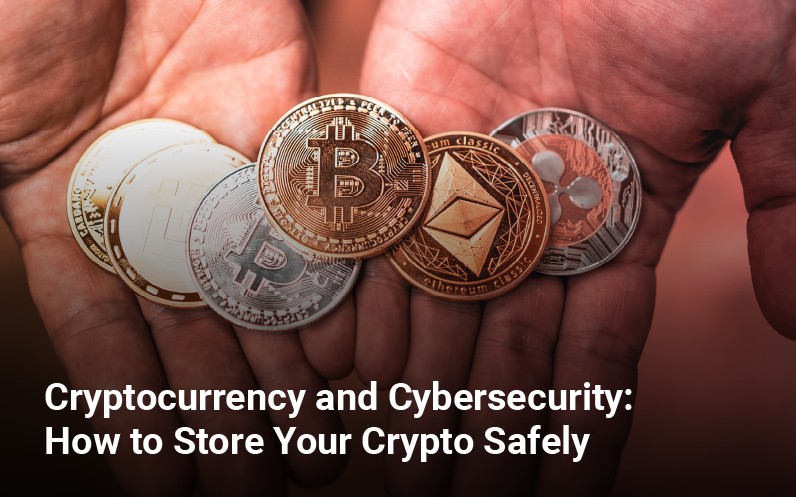
Cold storage is the game for long-term holds. Some search for cold wallet apps for crypto , but a true vault uses dedicated hardware, not a drainable phone app. You don’t need mobile cold storage trailers for sale to be safe - a small box in a drawer works. I sleep better knowing keys aren’t on a networked device.
The cryptocurrency vault pushes keys offline by design, cutting a class of remote attacks. Spending takes more steps, but owners say worth it. My rule: keep bulk cold, tiny bit hot for daily coffee.
Need to move coins? Pull one device at a time, sign with care. Vault asks for second or third key per your setup. That slow dance is the point, not a bug. A cryptocurrency vault trades speed for survival - fine by me.
Andrew Poelstra on Bitcoin Vaults and Covenants
Steps to Set Up Your Own Vault
Want an ETH vault via Casa? Activate keys to init the Safe contract tied to them. Provider can’t do it without your okay - they don’t control your keyset. You’re in the driver’s seat, even during setup.
Bitcoin folks: no action needed if you skip ETH. The cryptocurrency vault for BTC runs as before. You add ETH only via explicit steps - no silent risk profile change while you sleep.
Setup steps, simplified
- Get two or three hardware devices from trusted shops
- Set up keys on each device with fresh seeds
- Distribute devices to different homes or safes
- Activate keys to init contract if using ETH
- Write down recovery steps and store them safe
What If You Only Hold Bitcoin
No stress if BTC-only. Source is clear: no need to secure ETH, you do nothing. A cryptocurrency vault for bitcoin runs as built, no forced add-ons. Respect for user choice is rare and good in this noisy space.
CASA DOES NOT CONTROL YOUR KEYSET - by design, Casa cannot unilaterally spend or freeze your funds.
This quote sums the model. You’re the bank, not them. The vault gives rails to avoid pitfalls while keeping full control. My take: any setup lacking this isn’t a true cryptocurrency vault.
Sovereign Recovery Without a Company
Scary thought: service shuts down or blocks you? With this vault, recover via Safe’s web interface using non-Casa software. They give step-by-step instructions not reliant on their infra. I love that - coins stay mine regardless of weather.
This is being your own bank without rookie errors. The cryptocurrency vault lets you access ether or bitcoin via open tools. Clear recovery plan: tell every friend to make day one, not post-panic.
Write steps on paper, test tiny recovery with spare coins. Drill turns fear into calm skill. A cryptocurrency vault is only as good as your know-how when lights flicker. Learned from blunt sec posts.
Crypto Vault and Inheritance Planning
Passing crypto to heirs is a real need many skip till too late. A vault can designate beneficiaries, use multisig for estate plans. Every family should know this before a hard event.
Casa’s inheritance features exist, but core is a cryptocurrency vault with clear instructions. Credentials in encrypted password manager, tell trusted person. Dead man’s coins shouldn’t be lost to confusion or lazy docs.
The inheritance checklist
- Make a list of digital assets and wallets
- Store recovery phrases securely encrypted
- Pick a digital executor you trust fully
- Update legal docs to include crypto
- Educate family on how to access safely
Common Mistakes and How to Dodge Them
Phishing is everywhere. Bad actors fake support to grab keys or seeds via kind talk. Never share recovery phrases - not with nice voice on phone or slick site. Warning: skip this, one slip, coins vanish, no bank to call.
Weak passwords, unsecured Wi-Fi bite. Use 2FA, encrypt devices. The cryptocurrency vault reduces risk but you must follow best practices or walls mean little. My rule: never type seed into online screen.
Be vigilant against phishing attacks, which are common in the cryptocurrency space.
DeFi Vaults Explained: Auto-Compounding and Hidden Risks
Is a Third-Party Service a Single Point of Failure
Some experts say any third-party adds risk. Others note multisig offers redundancy but increases complexity, errors if mismanaged. I get the tension, writing plain so you decide with open eyes.
The cryptocurrency vault is built so provider isn’t single point of failure by architecture. Still, BTC and ETH wallets face different risks - smart contract bugs if you touch others. Advice: stick to vetted Safe contract, avoid random code promising gains.
Best Practices for Secure Storage
List solid habits that strengthen your vault. From studied guides and plain talk by sec folks who’ve seen burns. I follow them, sleep fine.
Secure storage best practices
- Use hardware wallets like Ledger or Trezor
- Implement multisig so no single key spends
- Store backups in many secure locations
- Enable two-factor authentication on exchanges
- Avoid phishing by checking links twice
- Use trusted providers with good track record
- Update software on devices and wallets often
- Diversify storage with cold and hot mix
- Plan for inheritance with clear docs
Notice a cryptocurrency vault ticks many boxes by default. You add human habits to close gaps. I keep notebook off computer, spare device in friend’s safe.
Different Wallet Types You Might See
Besides a vault, many storage flavors exist. When you ask what types of crypto wallets exist , think hardware, software, paper, exchange. The a solid miner wallet is a sturdy hardware unit taking daily payouts. The moon wallet crypto type is hype slang for risky app promising moons, no safety rails.
I stick to a cryptocurrency vault for big holdings, small hot wallet for spend. For other crypto wallets , split clear once you see risk map. Peace of mind from split, not fancy logo or loud ad.
Cost and Value of a Vault
You might wonder how much is a crypto wallet starting out. Hardware costs little, safety huge vs free app that vanishes. No one needs to crypto account create with shaky setup to save bucks. Spend on good devices once, save heartache.
Value of a cryptocurrency vault: peace of mind, true ownership. You control keys, not far-off firm freezing on whim. Priceless for savings and sleep.
Why Be Your Own Bank
Financial autonomy is goal for many who left old system. A cryptocurrency vault lets you hold keys, split trust, avoid rookie errors plaguing new users. This is path to real ownership without teller permission.
No tech degree or bank manager in suit needed. Follow plain steps, keep gear offline when idle. The cryptocurrency vault is common sense wrapped in code - enough for me.
Stablecoins and Other Tokens
At launch, Casa vault secures only ETH and BTC, not stablecoins or NFTs. But access unsupported tokens via Safe web interface if they land by mistake. The cryptocurrency vault focuses on core coins to keep attack surface tight.
Maybe more networks later as team watches security. I’d rather slow than broken trust via rushed feature. Patience virtue in key management, vault rewards it.
Staying Safe Over Time
Keep learning - threats shift, basics flat. Password manager, encrypt backups, monitor accounts. The cryptocurrency vault is a tool, not magic shield; habits matter as much as steel.
I’ll keep posting plain notes from source docs. You do rest, stay safe. Footgun real, but vault removes trigger from lazy hands.


Comments on “The Cryptocurrency Vault: How It Works and Why It’s Central to Your Financial Autonomy”
No comments yet. Be the first to share your thoughts.